
China’s Shenzhou Program: Navigating Challenges in Space Exploration
China’s Shenzhou space program has been making impressive strides, operating smoothly until recently when Shenzhou-20 encountered an unexpected challenge. This mission, which was expected to bolster China’s presence in space, had its crew unexpectedly stranded for extra days due to damage sustained while docked at the Tiangong space station. But what does this mean for China’s ambitious plans in manned space travel?
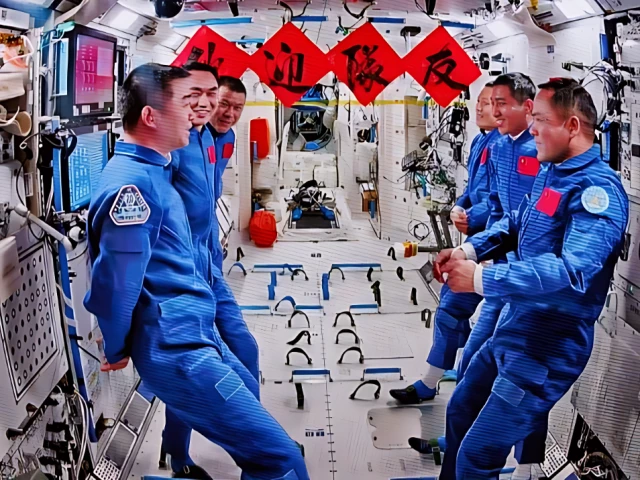
Just ten days ago, Shenzhou-20 faced a setback when it was potentially struck by space debris, resulting in a cracked window in its return capsule. This incident forced its three-person crew to linger for an additional nine days, alongside another trio of astronauts who had arrived just two weeks prior. These situations illustrate not just the risk involved in space exploration but also the resilience and adaptability required in such high-stakes missions.
A silver lining appeared recently when CCTV reported that China has expedited the launch of Shenzhou-22, which will head to the Tiangong space station without a crew. This decision, made six months ahead of schedule, aims to address safety concerns and ensure that the Shenzhou-21 crew can efficiently return to Earth after their six-month mission. The ability to act swiftly amid setbacks is crucial for the continued success of China’s manned space program.
Preparations for Shenzhou-22 are well underway, with assurances from state media about its cargo load, which includes astronaut provisions and essential equipment for the space station. Tiangong can accommodate up to six crew members temporarily, but ideally, it’s structured for three astronauts over longer missions. Experts are discussing the fate of Shenzhou-20, considering undocking and deorbiting it over the Pacific to mitigate any risks to the operational crews aboard Tiangong.
Despite the hiccups, these missions highlight China’s commitment to advancing its space capabilities. The lessons learned from these experiences only pave the way for future successes, ensuring that the nation continues on its ambitious path to explore and utilize outer space in meaningful ways.
As we keep an eye on these developments, there’s a growing conversation about the implications for international collaboration and safety in space. If you’re curious about how these advancements tie into broader trends in technology and sustainability, connecting with platforms like Pro21st can provide further insights and community engagement on these fascinating topics. Keep following the journey of space exploration — it’s shaping our future in ways we’re just beginning to understand!