Children and Climate Change: A Silent Crisis in Pakistan
When we talk about climate change, it’s easy to picture images of flooded lands and devastated farms. But the overlooked victims of this crisis are the children who are losing their futures to environmental disasters.
Meet Ayesha, a 14-year-old girl from Lahore who has faced far more than most of us can imagine. As she stands on the rooftop of her home during smog season, all she sees is a dismal yellow haze. With her school destroyed by floods, Ayesha now studies in a temporary setup but lives in constant fear that the smog might suspend classes again. “I want to study. But floods come, and then the smog settles in,” she says, her frustration palpable.
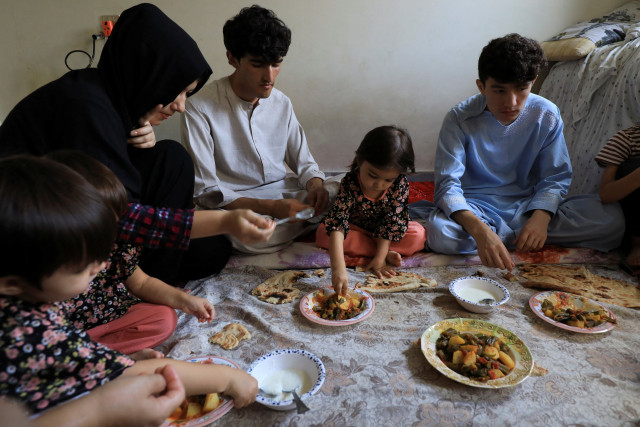
Ayesha’s story isn’t isolated. Millions of Pakistani children are grappling with the mental health implications of climate-related disasters. Clinical psychologist Fatima Tahir warns that anxiety, depression, and post-traumatic stress are becoming alarmingly common in these communities. Nearly half of the affected children struggle with focus and sleep, which can compromise their education and childhood experiences.
Despite such pressing concerns, most climate policies in Pakistan still prioritize energy and agriculture while sidelining the needs of children. It’s alarming that agencies like Punjab’s Child Protection & Welfare Bureau lack a defined approach to keep kids safe from climate harm. Experts like Iftikhar Mubarak, Executive Director of Search for Justice, stress that provincial governments need to craft child-centered climate action plans with explicit goals and budgets. “We don’t need statements; we need results,” he asserts.
Moreover, climate change is tightening its grip on children’s lives, particularly for girls. Rashida Qureshi, a child protection activist, explains how forced migrations increase their vulnerability to violence and exploitation. The disconnect between child protection measures and climate policies leaves children exposed to risks that could otherwise be mitigated.
The World Health Organization has even linked 36% of childhood illnesses in Pakistan to environmental factors. Without investments in clean water and sanitation, health outcomes for children will continue to diminish.
Experts like Dr. Rabia Chaudhry emphasize that policy discussions often overlook the human side of climate impact, particularly on children. “Until we unite government, civil society, and academic institutions, true child-sensitive climate policymaking will remain a distant goal,” she argues.
Legal advisor to the National Commission on the Rights of Child, Sheherazade Amin, highlights a hopeful shift: climate change has now been incorporated into the commission’s core mandate. She notes that girls are particularly affected by floods and pollution, inhibiting their access to education and healthcare. “If girls aren’t included in decision-making, sustainable solutions are impossible,” she warns.
As the day fades, Ayesha steps down from her rooftop, her wish lingering in the air as she raises her hands to the sky, pleading for change. “If everyone works together, maybe tomorrow’s sky will be blue.” Her hope symbolizes the potential for a brighter, safer Pakistan.
Children like Ayesha deserve our attention and action. It’s vital that we advocate for policies that not only recognize their plight but also actively seek to protect their futures. If you’re interested in supporting initiatives aimed at safeguarding our youngest and most vulnerable, consider connecting with organizations like Pro21st, which work tirelessly to create impact in our communities. Together, we can pave the way for a better tomorrow.
At Pro21st, we believe in sharing updates that matter.
Stay connected for more real conversations, fresh insights, and 21st-century perspectives.