
Rooftop Solar Revolution: Pakistan’s Bright Future Ahead
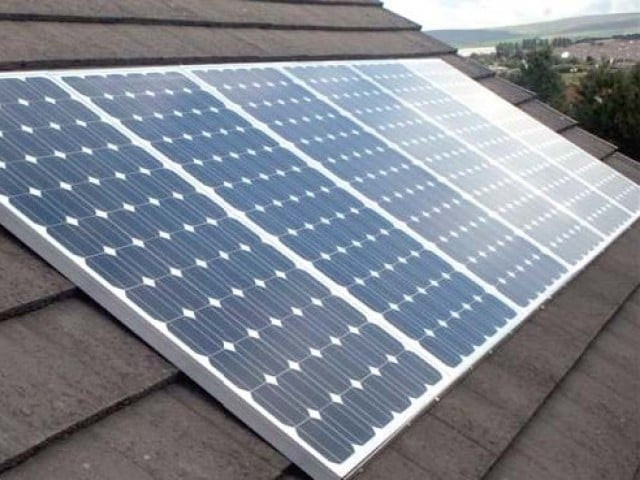
Pakistan is on the verge of a solar energy breakthrough. Imagine this: by next year, parts of the national grid could experience an interesting twist—rooftop solar generation exceeding daytime power demand! Aisha Moriani, a key figure in the country’s climate change ministry, recently shared this exciting news during the COP30 climate conference in Brazil.
So, what does this mean? For starters, it’s a sign of a major shift in Pakistan’s energy landscape. More people are turning to solar, resulting in lower emissions and decreased electricity bills for many households. It’s a dream come true for those feeling the pinch of rising electricity costs. However, this solar boom is putting pressure on cash-strapped power utilities that have already been struggling with debts and revenue losses.
Cities like Lahore, with its high rooftop solar penetration, are leading the charge. As Moriani pointed out, soon there will be times when demand for grid electricity actually dips into the negative. This trend could spread to other industrial hubs like Faisalabad and Sialkot, where businesses are rapidly embracing solar technology.
While some regions in Europe and Australia have experienced negative electricity prices due to solar oversupply, Pakistan is stepping into the spotlight as one of the first major emerging markets to face this phenomenon. It’s fascinating to see how the country’s robust adoption of solar energy is making it the world’s third-largest importer of solar panels, surpassing even its neighbor, China.
However, all this solar excitement comes with its own set of challenges. The grid and regulatory frameworks need to keep pace with this rapid growth. Moriani emphasized that although the rush toward renewable energy is impressive, aligning grid infrastructure with the demands of solar energy is crucial. The government is planning to adjust tariffs for larger solar users to ensure they contribute fairly to the costs of maintaining the grid.
Grid-linked electricity demand in Pakistan is projected to rise gradually, about 3-4% this year, but the growth might be dampened by the ongoing surge in rooftop solar adoption. This dynamic has also impacted Pakistan’s liquefied natural gas (LNG) strategy—efforts are underway to renegotiate contracts for better prices and terms.
As we move forward, it’s vital for Pakistan to strike a balance between empowering its solar revolution and ensuring the stability of its energy sector. The goal is clear: stability and affordability, not just increased dependency on LNG.
If you’re keen to follow stories about sustainable energy and the transformative potential it holds for countries around the world, consider engaging further with communities like Pro21st, where we delve deeper into innovations and solutions in renewable energy and sustainability. Let’s stay connected!
At Pro21st, we believe in sharing updates that matter.
Stay connected for more real conversations, fresh insights, and 21st-century perspectives.