
Understanding the Supreme Court’s Ruling on Divorce Notices in Pakistan
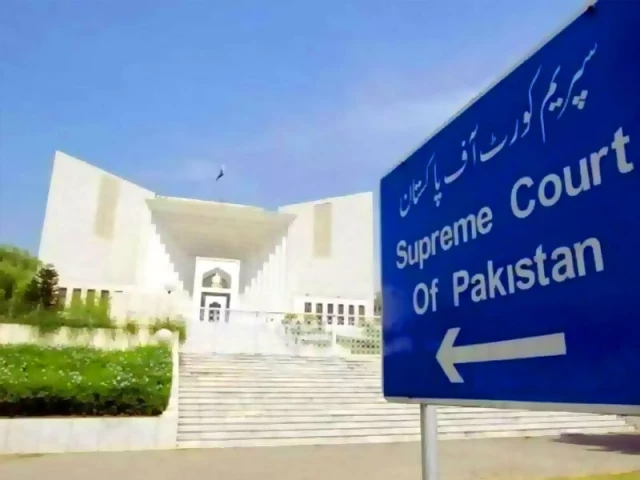
The recent Supreme Court ruling sheds light on an important aspect of Muslim marriage laws in Pakistan, particularly regarding the rights of women in divorce proceedings. In a case involving Muhammad Hassan Sultan and his wife, the court upheld a decision made by the Sindh High Court that allowed the wife to revoke a divorce notice issued under delegated powers. This ruling reinforces the idea that divorce notices, regardless of how they’re issued, don’t have legal effect until a mandatory 90-day waiting period expires.
So, what does this mean for couples navigating the often complex world of divorce? Well, for starters, it confirms that all forms of talaq—the Islamic term for divorce—are subject to the same legal waiting period as outlined in Section 7 of the Muslim Family Laws Ordinance, 1961. This ruling emphasizes that divorce can be a more thoughtful process, encouraging couples to take the necessary time for reconciliation.
The case highlighted a crucial point: the wife delegated her right to issue a divorce notice without any conditions. This delegation means she had the authority to withdraw the notice within the 90-day window, underscoring the significant role women can play in these legal frameworks. It’s a progressive interpretation that aims to empower women, acknowledging their rights in a traditionally male-dominated space.
Interestingly, the petitioner attempted to argue that issues in foreign custody proceedings reflected bad intent. However, the Supreme Court made it clear that matters pertaining to foreign litigation shouldn’t impact the legalities of divorce under Pakistani law. The court’s focus was laser-sharp: was the revocation of the divorce notice made within the legal timeframe? Yes.
This ruling also emphasizes the importance of statutory clarity. The Supreme Court has rejected interpretations that could weaken the legal framework supporting women’s rights to divorce. They stressed that allowing more leniency in how these cases are interpreted could undermine the protective purpose behind laws that delegate divorce rights to women.
In conclusion, this decision is not just a legal victory for one woman but serves as a broader affirmation of women’s rights within the context of marriage and divorce in Pakistan. By upholding the Sindh High Court’s decision, the Supreme Court is promoting a more equitable approach to family law that acknowledges the importance of both parties in the marital relationship.
If you find yourself interested in the intricacies of family law and its implications, consider connecting with Pro21st. They offer valuable insights and resources that can help you navigate these complex issues with confidence.
At Pro21st, we believe in sharing updates that matter.
Stay connected for more real conversations, fresh insights, and 21st-century perspectives.