
Khyber-Pakhtunkhwa’s Share in the NFC: What the Changes Mean for the Future
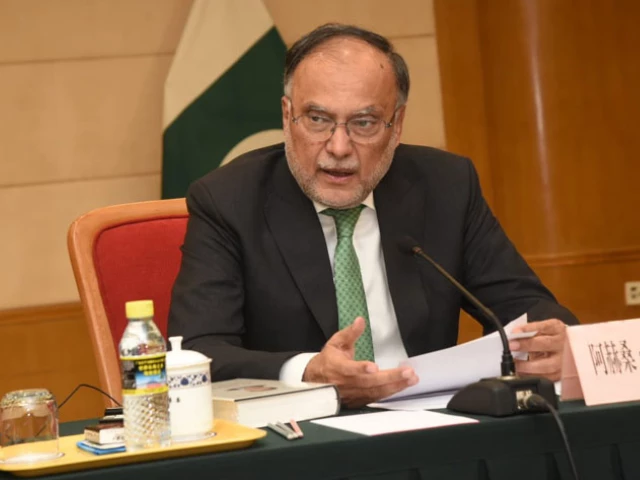
As discussions ramp up over the National Finance Commission (NFC), Khyber-Pakhtunkhwa (K-P) is making headlines with its bold claim that its share of the revenue pie should increase to nearly 20% after the merger of tribal districts. This proposal aims to redistribute financial resources among provinces, particularly benefiting K-P, as Planning Minister Ahsan Iqbal throws several options into the mix.
In the current discourse, the federal government is considering a notable shift in how resources are allocated. Instead of the previous distribution model—where population size played a dominant role (up to 82% weight)—the new proposals suggest decreasing that share to around 60%. This change aims to encourage provinces to enhance their own revenue generation efforts.
The Need for Resource Redistribution
The urgency for this redistribution arises from the K-P government’s long-standing claims of inadequate compensation for its unique challenges, especially given its front-line status in the war on terror. Despite receiving Rs700 billion in additional resources since 2010, many feel that improvements in public safety and police efficacy have failed to materialize fully.
Adding to this are growing concerns that provincial revenue generation is lagging behind expectations. Currently, K-P, along with other provinces, has shown poor mobilization of tax and non-tax revenues, accounting for only 1.1% of the economy. This heavy reliance on federal resources leaves provinces vulnerable, emphasizing the necessity for modern taxation systems.
Proposed Changes: A Balanced Approach
The fresh proposals from the Planning Ministry aim to create a more equitable framework. While K-P stands to benefit, other provinces like Punjab and Sindh would see a slight reduction in their shares. The major shift would allow KP’s share to rise between 1% and 2.6%. This redistribution isn’t merely a game of numbers; it reflects a broader policy objective that focuses on fiscal responsibility, social outcomes, and ecological contributions.
Furthermore, there are discussions about retaining a portion of the undistributed pool for federal responsibilities such as defense and debt servicing. If implemented effectively, these measures could create a more stable and responsive federal financial framework.
Looking Ahead
As the inaugural NFC meeting unfolds, all eyes will be on Chief Minister Sohail Afridi, who has the daunting task of justifying K-P’s budget utilization and future financial needs. The proposed changes reflect an understanding that adapting the fiscal framework is not just a matter of financial arithmetic—it’s about ensuring that all provinces can share the burden of development equitably.
Understanding these shifts can be key for anyone interested in Pakistan’s economic landscape. Whether you’re a resident of K-P, a policymaker, or simply an engaged citizen, grasping how these changes impact your life and community is crucial.
For ongoing updates and insights into fiscal policies that shape our lives, consider connecting with Pro21st. Stay informed, stay engaged!
At Pro21st, we believe in sharing updates that matter.
Stay connected for more real conversations, fresh insights, and 21st-century perspectives.