
Major Changes in Pakistan’s Military Leadership
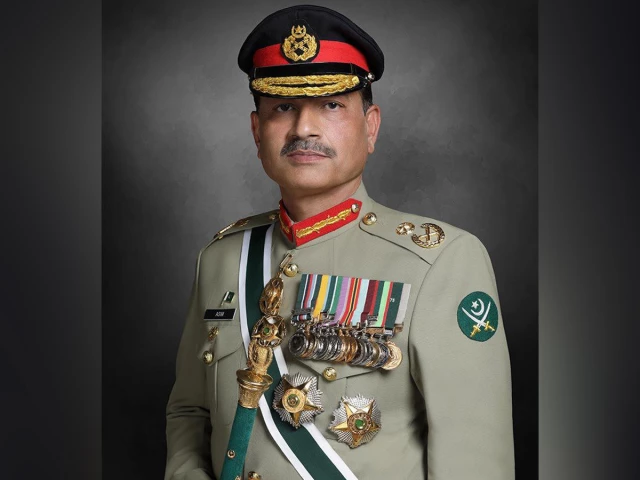
Exciting times are ahead for Pakistan’s military structure! Recently, Prime Minister Shehbaz Sharif approved the summary for the appointment of Field Marshal Asim Munir as the Chief of Army Staff and Chief of Defence Forces. This marks a historic moment, as Munir becomes the first-ever individual to hold the dual roles in Pakistan’s military history. The summary has been sent to the President’s House for formal approval, setting the stage for significant military reforms.
What does this entail? First off, Field Marshal Munir is set to serve for a term of five years, a move that reflects the government’s commitment to strengthening the military’s leadership. Alongside this, there’s good news for Air Chief Marshal Zaheer Ahmed Babar Sidhu, who has received a two-year extension following the completion of his current term in March 2026.
But that’s just the tip of the iceberg. Just last month, the parliament approved the 27th Constitution Amendment Bill, which has introduced vital changes to Pakistan’s judicial and military frameworks. This includes the establishment of a Federal Constitutional Court that aims to ensure equal representation from all provinces. President Zardari signed this important bill into law after it received the green light from both houses of parliament.
Additional amendments have been made to key military acts to align them with the 27th Amendment. For instance, the Chief of Defence Forces will now start their tenure from the date of notification, a shift designed to streamline military governance.
What’s more, the position of Chairman of the Joint Chiefs of Staff Committee has been abolished. Now, the Prime Minister, upon the army chief and CDF’s recommendation, will appoint a Commander for the National Strategic Command for a three-year term. This new role emphasizes the importance of leadership that can respond flexibly to the rapidly changing geopolitical landscape.
One important takeaway from all this is that the new legislation ensures the Commander of the National Strategic Command will remain effective in his role without being subject to judicial review on several fronts. This underscores a significant shift in how military appointments could be managed moving forward.
As these changes unfold, it’s vital for both citizens and military personnel alike to stay engaged and informed. It’s a great reminder that leadership and governance can evolve, and that’s something we should all pay attention to. If you want to dive deeper into these exciting developments, connect with Pro21st for more insights and discussions about Pakistan’s future.
At Pro21st, we believe in sharing updates that matter.
Stay connected for more real conversations, fresh insights, and 21st-century perspectives.