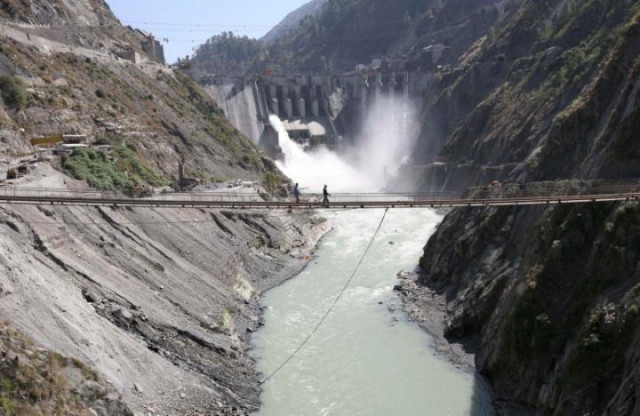

Understanding the Water Crisis: What’s Happening with the Chenab River
Water is vital to life, and with the changing dynamics in our environment, understanding river flows, especially in regions like India and Pakistan, is crucial. Recently, India released a substantial surge of water into the Chenab River, causing its flow to rise to an impressive 58,300 cusecs. However, there’s a flip side to this. As India seeks to refill its dams, the potential risk looms that this could eventually reduce the river’s flow to zero.
Current Conditions of Major Reservoirs
Let’s break down what’s happening with some key reservoirs in the region, as reported by a spokesperson from WAPDA (Water and Power Development Authority):
- Tarbela (Indus River): This reservoir currently has an inflow of 20,500 cusecs but is managing an outflow of 28,000 cusecs.
- Mangla (Jhelum River): Here, the inflow is only 3,400 cusecs, while the outflow is significantly higher at 35,000 cusecs.
- Chashma Barrage: This site shows an inflow of 32,400 cusecs against an outflow of 35,000 cusecs.
- Head Marala (Chenab River): This reservoir is relatively balanced, with an inflow of 63,200 cusecs and an outflow of 56,900 cusecs.
- Nowshera (Kabul River): This site shows stable conditions with inflow and outflow both recorded at 7,400 cusecs.
Reservoir Levels
Here are the current water levels in the notable reservoirs:
- Tarbela Reservoir: 1,490.27 ft, with a storage capacity of 2.668 million acre-feet.
- Mangla Reservoir: 1,212.10 ft, holding 5.051 million acre-feet.
- Chashma Reservoir: 646.60 ft, with a storage of only 0.197 million acre-feet.
In total, the usable water across Tarbela, Mangla, and Chashma combines for a capacity of 7.916 million acre-feet.
Why Does This Matter?
The management of water resources is critical not only for agriculture and energy production but also for the communities that depend on these rivers for their livelihoods. Fluctuations in water levels can lead to severe repercussions, including water shortages and conflicts over resources.
As we navigate these issues, staying informed is key. Understanding the implications of such decisions can foster better stewardship of water resources in times of crisis.
If you’d like to know more about effective water management strategies or want to engage in meaningful discussions about sustainability, consider reaching out to Pro21st. Together, we can explore how to build a more resilient future.
At Pro21st, we believe in sharing updates that matter.
Stay connected for more real conversations, fresh insights, and 21st-century perspectives.