
Navigating the Complexities of AI Chip Exports: What It Means for the US and China
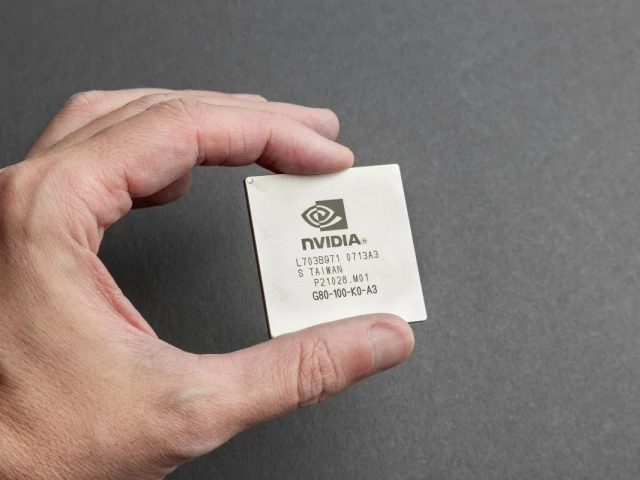
The recent decision by the United States to allow exports of Nvidia’s H200 processors to China has stirred up a mix of excitement and concern. While it marks the end of a heated debate about the future of AI chip sales, the implications of this decision are far-reaching and complex.
Let’s break it down. U.S. President Trump announced that the U.S. would impose a 25% fee on these exports, which was a notable change from initial proposals. This move is seen as a balance between maintaining national security and keeping American companies at the forefront of AI technology. Before this decision, there were fears that restricting exports could inadvertently bolster China’s own tech capabilities, particularly with its military.
Nvidia’s H200 chips are significant because they’re nearly six times more powerful than the previously exportable H20. Many experts worry that these chips could drastically enhance China’s military capabilities, which is why the Biden administration had previously put restrictions in place. However, foreign policy is inherently complex, and balancing economic interests with national security is a daunting task.
On one hand, Nvidia has welcomed this decision, stating that it strikes a thoughtful balance. Meanwhile, there’s a palpable concern from some U.S. lawmakers who fear that this could lead to China leveraging these chips for military advancements. Critics argue that trading national security for economic advantages is a slippery slope.
Interestingly, the response from China has also been mixed. The Chinese government has been nudging local firms to steer clear of American tech, reflecting a broader strategy aimed at self-reliance. However, the welcoming tone from Xi Jinping suggests there could be space for dialogue and cooperation between the two nations.
As we look ahead, it’s evident that this situation is dynamic and fluid. Industries will need to keep a close eye on how these relationships evolve, especially in the tech sector. The Chinese market remains critical, and how both sides navigate these waters could set the stage for future technological collaborations—or conflicts.
To stay updated and foster conversations around technology and international relations, consider connecting with communities that discuss these issues deeply. Organizations like Pro21st offer platforms for engagement that can keep you informed and involved in the ongoing dialogues shaping our world today.