
Understanding Pakistan’s Air Pollution Crisis: A Wake-Up Call for Our Health
Air pollution is a growing concern worldwide, but it’s hitting Pakistan especially hard. Recently, the country released its first comprehensive assessment on air quality, shedding light on the sources of emissions and their impact on public health. This report, created by the Pakistan Air Quality Initiative (PAQI), marks a significant step toward evidence-based policy-making in a region facing severe environmental challenges.
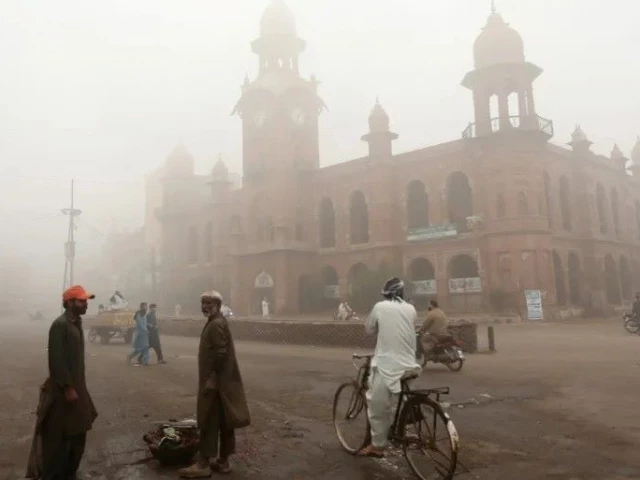
Launched during the Clean Air Summit in Lahore, the report emphasizes that air pollution isn’t just an environmental issue—it’s a public health crisis. In fact, it has been linked to a decrease in average life expectancy by nearly four years, contributing to over 100,000 premature deaths each year. The findings reveal that fine particulate matter, especially PM2.5, is closely associated with increasing rates of respiratory and cardiovascular diseases.
Key Takeaways from the Assessment
The report uses advanced tools like satellite data and chemical transport modeling, along with real-time monitoring from PAQI’s network. It offers detailed analyses of urban pollution sources in four major cities: Lahore, Karachi, Rawalpindi-Islamabad, and Peshawar.
In Lahore, emissions primarily come from transportation, industrial activity, and brick kilns, worsened during winter due to temperature inversions. Meanwhile, Karachi’s challenges mostly stem from industrial clusters that operate with low-quality fuel – accounting for nearly half of the city’s pollution. Rawalpindi and Islamabad are grappling with growing vehicular traffic as the main pollution source, while Peshawar’s unique geographical features exacerbate air quality concerns.
PAQI founder Abid Omar pointed out that this report is the culmination of nearly a decade of data collection and analysis. It aims to transform how Pakistan approaches its air quality issues—from guesswork to grounded, scientific understanding.
The Path Forward: Solutions for Cleaner Air
Perhaps the most encouraging aspect of the report is its focus on actionable solutions. It suggests that by upgrading transportation systems, modernizing industrial operations, transitioning brick kilns to cleaner technologies, and enforcing continuous emissions monitoring, pollution could be reduced by as much as 50%. Implementing these measures could dramatically lessen the health risks facing urban populations throughout the country.
In addition to health and environmental data, the report highlights critical themes such as fundamental rights and environmental justice, featuring contributions from a diverse group of experts, including former Justice Syed Mansoor Ali Shah and Senator Sherry Rehman.
Conclusion
This groundbreaking assessment is not just a call to action for policymakers but a wake-up call for all of us. As air pollution continues to impact our health and environment, it’s vital for communities, governments, and organizations to come together and form a collective response. If you’re interested in learning more about the implications of this report and the ongoing efforts to tackle air quality issues in Pakistan, connect with organizations like Pro21st. Together, we can drive meaningful change for a healthier future.
At Pro21st, we believe in sharing updates that matter.
Stay connected for more real conversations, fresh insights, and 21st-century perspectives.