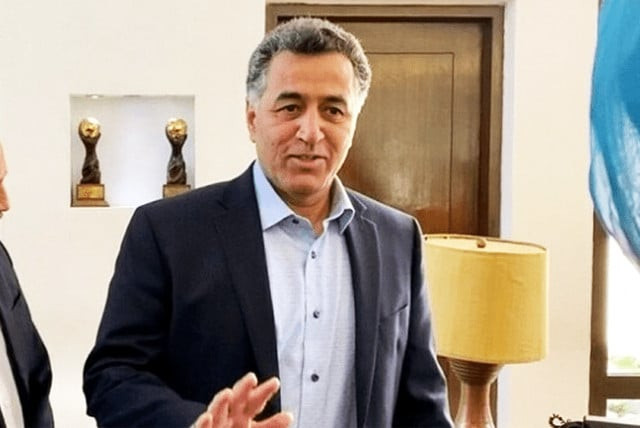

The Conviction of Lt-Gen (retd) Faiz Hameed: A Significant Turning Point
In a major ruling, retired Lt-Gen Faiz Hameed, former chief of the Inter-Services Intelligence (ISI), has been sentenced to 14 years of rigorous imprisonment by a Field General Court Martial. This decision marks a momentous event in Pakistan’s military and political landscape, raising crucial questions about accountability and governance.
According to a press release from the Inter-Services Public Relations (ISPR), these court martial proceedings began on August 12, 2024, and unfolded over 15 months. The military tribunal, which operates under the Pakistan Army Act, tried Hameed for multiple charges, including involvement in political activities, violations of the Official Secrets Act, misuse of authority, and causing wrongful loss to individuals. This level of scrutiny for a high-ranking official underscores the seriousness with which the military is addressing breaches of discipline and governance.
The ISPR emphasized that the court followed all legal provisions during the trial, assuring that Hameed had access to a defense team of his choice. It also noted that he retains the right to appeal the decision. This highlights the importance of due process, even in military settings, revealing a complex layer of governance within the armed forces.
Hameed’s case is particularly significant as it shines a light on the broader issue of military involvement in politics. The ISPR stated that Hameed’s alleged collaboration in fostering political unrest will be addressed separately, implying that this case may not be the last we hear about him or others in military ranks navigating the murky waters of politics and power.
Having served as the director general of the ISI from June 2019 to 2021, Hameed was no stranger to critical roles in national security. His tenure included strategic commands over key military corps, demonstrating that he was deeply embedded in Pakistan’s security apparatus. The allegations against him and the resulting conviction indicate a substantial shift in how military officials can operate without facing accountability.
This verdict is more than just a military decision; it serves as a cultural touchstone, reflecting the public’s mounting demand for transparency and justice within powerful institutions. The implications could be far-reaching, fostering a new climate of scrutiny that might prevent future abuses of power.
As we navigate the unfolding narrative surrounding military and political dynamics in Pakistan, it’s essential for citizens to stay informed and engaged. Understanding such cases helps to promote greater accountability within all spheres of leadership.
For those interested in exploring more about governance, accountability, or military and political affairs, connecting with organizations like Pro21st can offer valuable insights and resources.
At Pro21st, we believe in sharing updates that matter.
Stay connected for more real conversations, fresh insights, and 21st-century perspectives.