
Climate Risks Impacting Garment Workers: A Call for Change
Did you know that workers in the garment industry are facing some of the highest risks due to climate change, even though countries like Pakistan and Bangladesh contribute just a fraction of the world’s carbon emissions? This alarming reality was highlighted recently by the International Accord for Health and Safety in the Garment and Textile Industry, which aims to develop the first-ever Protocol on Heat Stress.
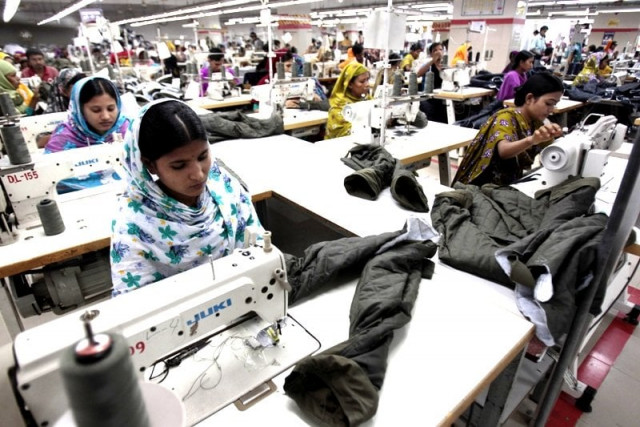
For many in the global west, it’s easy to overlook the journey our clothes take before reaching our wardrobes. In countries like Pakistan, where textiles account for over 60% of national exports, the harsh working conditions backtrack this seemingly simple process. The facilities, often unprepared for rising temperatures, are filled with workers striving to meet production quotas, while heat stress becomes an everyday risk.
According to Cara Schulte from Climate Rights International (CRI), the need for binding climate protections is not just important—it’s possible. She emphasizes the immense challenges faced by garment workers who are battling extreme heat without proper resources. Many workers earn subsistence wages and often faint or suffer from heat-related illnesses as they race to meet global demand.
The ethical obligations of Western fashion brands are under a keen spotlight. With organizations like CRI advocating for a re-examination of global supply chains, it’s clear that these companies must tackle not just emissions, but the human costs tied to them. Although some big names in fashion, like H&M and Marks & Spencer, have signed an agreement for improved worker safety, the call for real change goes beyond mere compliance.
Reports from cities like Karachi and Dhaka are telling. Workers are not only suffering physically but are also caught in a systemic web of low wages and high production demands. It’s high time brands take joint responsibility—with financial support from international buyers to improve factory conditions, including cooling systems and proper ventilation.
The stark imbalance is hard to ignore: Pakistan contributes less than 1% to global emissions but ranks among the ten most climate-vulnerable countries. Similarly, Bangladesh faces severe pressures with densely packed factories exposed to extreme heat and humidity. CRI reminds us that the countries least responsible for climate change are often the ones bearing its most significant consequences.
With its focus on climate justice, CRI aims to create a paradigm shift in how we think about global fashion. Their findings, including upcoming guidelines on heat stress, acknowledge that extreme indoor heat isn’t merely uncomfortable—it’s a serious safety hazard exacerbated by climate conditions.
As consumers, we can contribute to this change by making informed choices about where and how our clothes are made. Supporting organizations that prioritize ethical labor practices can help pave the way for a more equitable fashion industry.
For those looking to dive deeper into this crucial issue, consider exploring platforms like Pro21st, which emphasize the importance of sustainable practices in all sectors, including fashion. By raising awareness and advocating for change, we can work together to protect the rights and safety of workers worldwide. After all, every step counts when it comes to ensuring a fairer future for everyone involved in producing the garments we love.