
Transforming Punjab: A Step Toward Inclusive Cities and Better Health
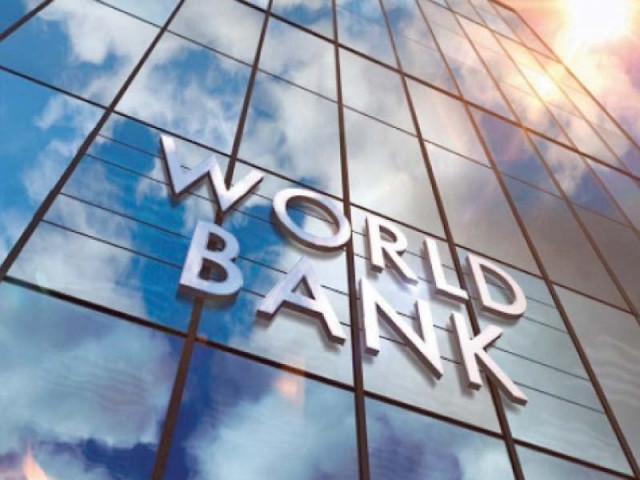
Have you ever stopped to think about the quality of water and sanitation services in your community? It’s something we often take for granted but is vital for our health and well-being. Recently, the World Bank took a significant step to improve these services in Punjab, Pakistan, by approving a remarkable $400 million for the Punjab Inclusive Cities Program (PICP). This initiative aims not only to enhance water and sanitation services but also to strengthen local governance in 16 secondary cities across the province.
So, what’s in store with the PICP? The plan outlines a comprehensive rehabilitation of essential infrastructure, including water supply networks, sewerage systems, and wastewater treatment plants. It even tackles stormwater drainage—an often overlooked aspect that can lead to significant urban flooding. By addressing these issues, the program aims to provide safe drinking water to around 4.5 million people and enhance solid waste management services for an additional 2 million.
Bolormaa Amgaabazar, the World Bank’s Country Director for Pakistan, emphasizes the project’s importance by linking it to child stunting issues, stating, "Reducing child stunting is essential for Pakistan’s future." By investing in clean water and sanitation, they hope to break the cycle of malnutrition and diseases that hinder children’s growth and potential.
But this initiative isn’t just about infrastructure. It also focuses on empowering local governments. By building capacity in areas like service delivery and revenue generation, the program aims to create a more sustainable model for urban living. Amena Raja, a Senior Urban Specialist at the World Bank, highlights that the program complements infrastructure investments with skills training and climate resilience measures.
Furthermore, this program includes essential gender-focused components, such as prioritizing hiring women in decision-making positions and establishing gender complaint desks. By offering skill-building opportunities, the initiative is making strides toward gender equality while also engaging the community through awareness campaigns on household hygiene.
With initiatives like the Punjab Inclusive Cities Program, we’re not just investing in infrastructure; we’re investing in health, community well-being, and future generations. It’s a clear win-win that aligns with broader national development goals and represents a significant step forward for urban life in Punjab.
At Pro21st, we believe that initiatives like this can bring real change to communities. Join us in advocating for better health and urban governance. Your voice matters!
At Pro21st, we believe in sharing updates that matter.
Stay connected for more real conversations, fresh insights, and 21st-century perspectives.