
Addressing Governance Failures and Security Challenges in Khyber Pakhtunkhwa
In recent times, the situation in the Tirah Valley has emerged as a pressing concern. It’s not just about the rugged terrain or the challenges posed by its geography; it delves deeper into issues of governance and basic services. With security officials highlighting the absence of proper administration, we see how deep-rooted failures can lead to a vacuum exploited by extremist groups.
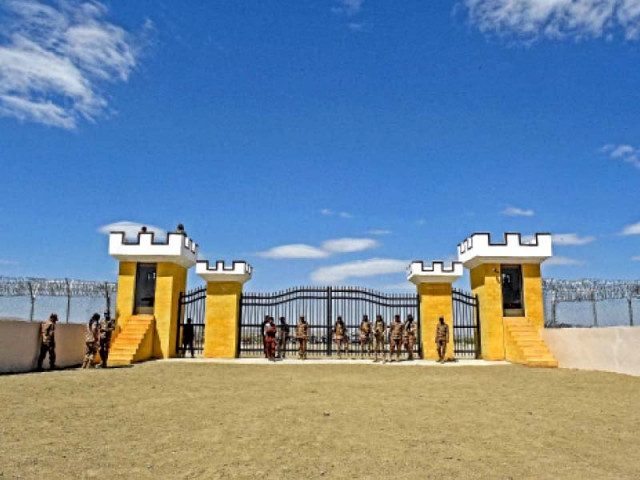
The Frontier Corps (FC) has taken significant measures aimed at improving security along the 1,224-kilometer border with Afghanistan. For the first time, fencing has been completed, and cameras have been installed to monitor infiltration. This is a pivotal step toward transforming the border into an internationally recognized perimeter. However, as Inspector General Frontier Corps Khyber Pakhtunkhwa North points out, effective management requires cooperation from both sides.
But beyond just physical security measures, the real issues are glaring. The FC personnel face numerous challenges, including a staggering lack of law enforcement resources. Currently, only three police officers are responsible for monitoring a vast local population. This is woefully inadequate, especially in a region where extremist groups frequently capitalize on governance failures. Tragically, last year, the FC lost 64 personnel to violence, highlighting the dire security landscape they are trying to navigate.
Moreover, the impact on the local communities is significant. Wing Commander Colonel Waqas emphasized the absence of civil administration in many parts of Tirah Valley. Some areas lack schools, hospitals, and even a police presence. This isn’t just about governance — it’s about the future of the children in these communities. When youth miss out on education, it not only broadens the gap of ignorance but also pushes them towards illicit activities.
To combat this, the FC has stepped in, setting up schools and even organizing free medical camps. These initiatives provide basic education and healthcare, tackling issues that have long been neglected. However, the fight against drug trafficking and organized crime remains daunting. Funds from such activities often find their way back to militant actions against both civilians and security forces.
As we analyze the situation in Khyber Pakhtunkhwa, it’s clear that addressing these governance failures is crucial. Ultimately, effective civil administration and law enforcement effort can prevent militant activities and create a safer environment for everyone.
If you’re interested in staying updated on developments in the region or want to learn more about the efforts to improve governance, feel free to connect with us at Pro21st. Your engagement can help raise awareness of vital issues that affect communities in Khyber Pakhtunkhwa and beyond.
At Pro21st, we believe in sharing updates that matter.
Stay connected for more real conversations, fresh insights, and 21st-century perspectives.