
Understanding the Impact of Fake Social Media Accounts in Pakistan
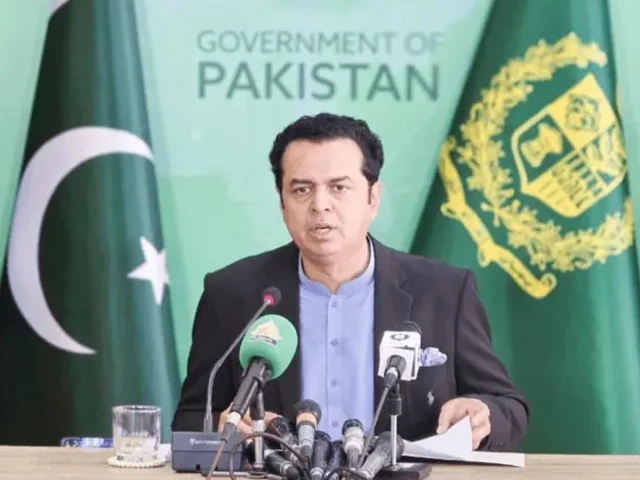
In our increasingly digital world, social media can serve as a powerful tool for communication and spreading information. However, it can also be a double-edged sword. Recently, Talal Chaudhry, the Minister of State for Interior, raised significant concerns regarding the prevalence of fake social media accounts, particularly accusing the Pakistan Tehreek-e-Insaf party of running a targeted propaganda campaign.
During a press conference in Islamabad, Chaudhry revealed that many of these fake accounts were operating from abroad, using false identities to disseminate misleading content about Pakistan. He emphasized that not every voice online represents genuine sentiments; in fact, some messages and trends may be financially incentivized, undermining the integrity of discourse. With claims that accounts are being paid to promote certain narratives, it becomes imperative to scrutinize the origins of information we consume.
What’s more alarming is the suggestion that this coordinated online activity isn’t just about spreading misinformation. Chaudhry brought to light disturbing connections between these accounts and groups like the Balochistan Liberation Army (BLA) and Tehreek-e-Taliban Pakistan (TTP). By promoting content that supports such militant groups, these accounts pose a real threat to Pakistan’s national security.
Chaudhry asserted that authorities are actively working to trace these fake accounts, aiming to report them to the respective social media platforms. This is no small task, as many of these companies are based overseas and require a robust approach to take action against such online threats.
The minister’s stance is clear: while freedom of expression is vital, it must exist within constitutional boundaries. Misinformation can lead to misinterpretations and severe consequences, especially in a country already grappling with security issues.
As digital citizens, it’s essential for us to remain vigilant and discerning about the information we engage with. Fact-checking and seeking reputable sources can help counteract the effects of disinformation. The actions of authorities, like those mentioned by Chaudhry, will hopefully pave the way for a safer online environment.
Engaging in meaningful conversations and staying informed can help us collectively address the challenges posed by fake accounts. If you’re interested in discussing this further or seeking insights on navigating the digital landscape, connect with us at Pro21st. Your thoughts matter, and together, we can foster an informed community.
At Pro21st, we believe in sharing updates that matter.
Stay connected for more real conversations, fresh insights, and 21st-century perspectives.