
Understanding the Recent NIA Charges Against Militant Groups in Kashmir
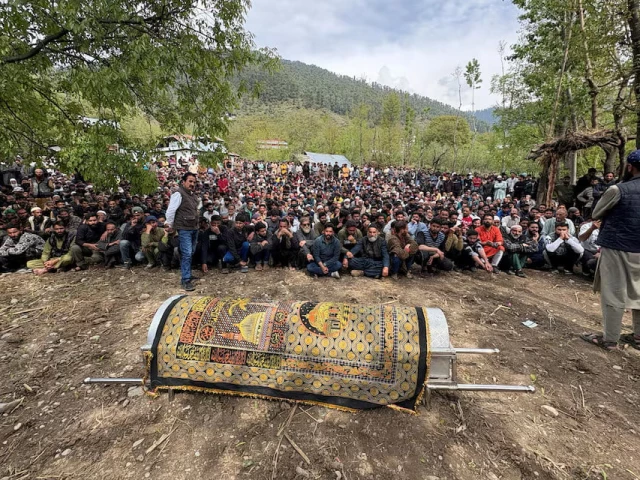
In a significant move that has drawn international attention, India’s National Investigation Agency (NIA) has charged the militant organization Lashkar-e-Taiba (LeT) and its offshoot, The Resistance Front (TRF), alongside six individuals in connection with an attack in April that tragically took the lives of 26 tourists in Indian-administered Kashmir. This incident not only shocked the nation but also sparked fierce tensions between India and Pakistan, reigniting the complex, historical conflict between the two nuclear-armed neighbors.
The Pahalgam attack, which involved gunfire directed at Hindu tourists, was reported to have been orchestrated with backing from groups across the border, although Pakistan has vehemently denied these claims. The NIA’s thorough investigation took eight months, unraveling what they assert to be a conspiracy deeply rooted in Pakistani territory.
Among those charged are three individuals who were killed by Indian forces during a related operation in Srinagar, and two who are currently in custody. Additionally, a man identified as a "Pakistani" terrorist handler has also been implicated. The NIA’s findings were formalized in a comprehensive 1,597-page document presented before a special court in Jammu, marking the first legal action taken in relation to this harrowing incident.
The charges claim that both LeT and TRF not only planned and executed the attack but are accused of waging war against India. This development raises questions about regional security, international diplomacy, and the ongoing fight against terrorism.
As we navigate these challenging times, staying informed and engaged with such issues is vital. Understanding the complexities of terrorism, international relations, and local impacts can empower communities and foster dialogue. If you’re interested in learning more about the implications of these events or wish to delve deeper into the discussion, connect with Pro21st.