
Navigating Dialogue in Pakistan’s Political Landscape
In the ever-evolving political arena of Pakistan, recent discussions have brought to light the complexity surrounding dialogue among key players. The federal government, alongside its coalition partners, has made it clear: any meaningful conversation necessitates a commitment to constitutional protocols, free from preconditions.
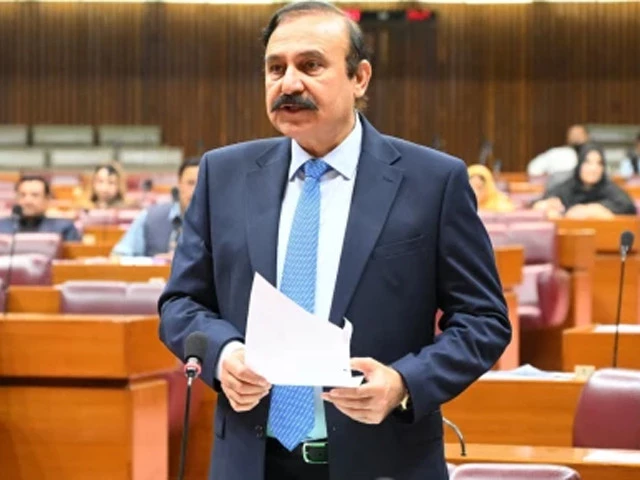
Last Sunday, the opposition alliance, led by Tehreek-e-Tahafuz-e-Ain Pakistan (TTAP), put forth several demands, including a call for an investigation into the February 24 elections along with a desire for ongoing dialogue. However, as Federal Minister for Parliamentary Affairs Dr. Tariq Fazal Chaudhry noted, the government is open to discussions but believes the PTI factions are currently at odds, complicating the potential for effective dialogue.
“Dialogue committees have been established in the past but often dissolved, indicating a significant trust deficiency,” stated Nayyer Bukhari from the PPP, one of the government’s vital coalition partners. He emphasized the need for confidence-building measures before any constructive dialogue can take place.
Moreover, JUI-F leader Ziaur Rehman offered insights into the demand for a probe into the upcoming elections, arguing that any investigation should also reassess the contentious 2018 elections. He underscores that any effort to rebuild public trust must focus on ensuring genuinely free and fair elections backed by an independent election commission.
Ahmad Bilal Mehboob, the chairman of PILDAT, added a legal perspective, noting that challenges to elections must adhere strictly to established legal frameworks—such as election petitions currently pending in tribunals.
The call for dialogue is undoubtedly vital for Pakistan’s political healing. However, as representatives navigate these discussions amid multiple agendas and divided factions, the importance of transparency and mutual respect remains paramount.
As we keep an eye on these developments, fostering a culture of open communication could be the first step toward strengthening the political fabric of the nation. For those looking to engage further on issues of governance and community dynamics, consider connecting with communities like Pro21st, where fruitful discourse thrives.