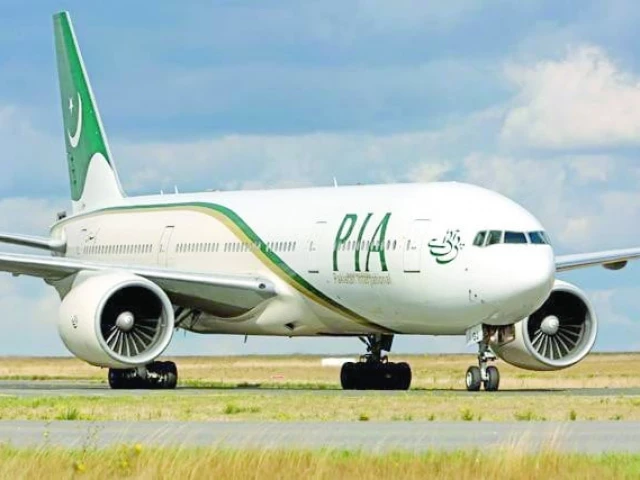

Understanding the Future of PIA: Insights from Recent Privatisation Efforts
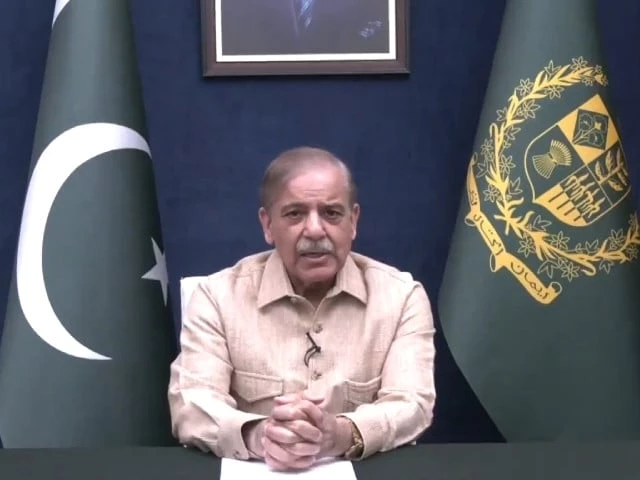
The recent announcement by the Pakistani government regarding the sale of Pakistan International Airlines (PIA) has sparked a wave of interest and concern. With losses soaring to a staggering Rs500 billion since 2015, it’s clear that PIA’s journey has been tumultuous. Privatisation Adviser Muhammad Ali addressed the pressing issues surrounding the airline at a recent press conference, revealing some eye-opening statistics that highlight PIA’s decline over the past 15 years.
Historically, PIA was on solid ground between 1989 and 2009. However, from 2008 onwards, under the governance of major political parties, its financial health took a serious hit. The losses began escalating dramatically during the Pakistan People’s Party (PPP) tenure, and worsened even further during the Pakistan Muslim League-Nawaz (PML-N) era. By analyzing these trends, Ali pointed out that the airline’s operational inefficiencies, including overstaffing and poor fleet utilization, have largely contributed to its decline.
In a groundbreaking move, the government sold a 75% stake in PIA for Rs10.2 billion cash. This deal not only aims to inject fresh capital into the airline but also offers substantial tax concessions to the new investors, such as exemptions on aircraft, engines, and parts for the next 15 years. This clever strategy is designed to revive PIA while alleviating some of its previous burdens.
Ali emphasized that the new buyers are not just acquiring an airline; they’re stepping into an entity with assets valued at Rs191.2 billion while managing liabilities worth Rs182.1 billion. Interestingly, the new ownership has a positive equity of Rs9.1 billion, coupled with cash reserves of Rs9.5 billion. This financial cushion provides a promising start for the incoming management.
On the operational side, PIA currently serves 30 destinations and has the rights to operate in 78 countries, which could play a vital role in revitalizing its business model. It’s like having a box of chocolates; with the right management, PIA can truly thrive again.
Furthermore, with ongoing commitments from the new consortium, including a capital investment of Rs116 billion by 2029, the future looks more optimistic. However, concerns linger about previous governance practices that led to PIA’s fall. Ali noted that it’s not just about money; there’s an overall responsibility to create a sustainable aviation industry in Pakistan, which currently contributes only 1.6% to the GDP.
In conclusion, while the road to recovery for PIA is undoubtedly challenging, the recent privatisation efforts could be the turning point it desperately needs. For those looking to stay informed and engaged with developments in Pakistan’s economic landscape, connecting with industry experts, like those at Pro21st, can provide deeper insights and discussions on such pivotal issues. Together, let’s look forward to a promising future for PIA and the aviation industry in Pakistan!
At Pro21st, we believe in sharing updates that matter.
Stay connected for more real conversations, fresh insights, and 21st-century perspectives.