
Strengthening Pakistan’s Power Transmission Network: A Critical Step Forward
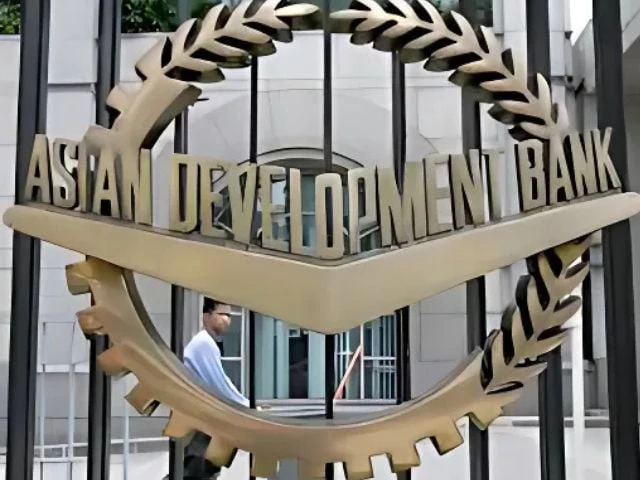
Pakistan recently signed major financing agreements with the Asian Development Bank (ADB) worth a combined $730 million, aimed at enhancing the power transmission infrastructure and reforming state-owned enterprises (SOEs). This initiative, particularly focused on constructing a new transmission line linking Islamabad and Faisalabad, is crucial for the country’s industrial growth and overall energy stability.
The $330 million power transmission strengthening project and the $400 million SOE transformation program are designed to alleviate pressure on overstrained transmission lines and improve governance. ADB Country Director Emma Fan emphasized the significance of these investments, particularly as Pakistan grapples with the complexities of its power sector.
However, while the funding is significant, experts caution that it’s the underlying issues—such as inefficiencies and built-up losses—that need urgent attention. According to Dr. Khalid Waleed from the Sustainable Development Policy Institute (SDPI), the accumulated losses of major SOEs have surpassed a staggering Rs5.8 trillion. The National Highway Authority (NHA) alone contributes nearly Rs2 trillion to this figure, signaling deeper systemic problems rather than isolated issues.
As we consider the road ahead, it’s essential to remember that merely strengthening infrastructure may not suffice. Dr. Waleed warns against viewing these new projects as a panacea. Effective reform must go hand in hand with strategies to address the distribution sector, which suffers from chronic inefficiencies and high technical losses.
Equally important is the ongoing energy transition in the country, where an increasing reliance on renewable sources like rooftop solar is reshaping the energy landscape. The need for a comprehensive approach that includes both strengthening the grid and facilitating a transition to cleaner energy is paramount.
In conclusion, while the $730 million package presents a significant opportunity for Pakistan, its success hinges on confronting the deeper issues affecting the SOEs and the energy sector. By tackling these challenges head-on, Pakistan can pave the way for a more efficient, sustainable energy future.
For those interested in keeping up with developments in Pakistan’s energy landscape or exploring innovative solutions, platforms like Pro21st offer valuable insights and resources. Let’s connect and explore how we can work together towards a brighter future!
At Pro21st, we believe in sharing updates that matter.
Stay connected for more real conversations, fresh insights, and 21st-century perspectives.