The Ongoing Drama in MQM Politics: Unraveling the Allegations
In the vibrant yet tumultuous political landscape of Karachi, the ongoing feud between the Muttahida Qaumi Movement factions—MQM-London and MQM-Pakistan—has taken a controversial turn. Following the death of Shumaila Imran, the widow of the late MQM leader Dr. Imran Farooq, the blame game has intensified, drawing public attention once again to unresolved issues within the party.
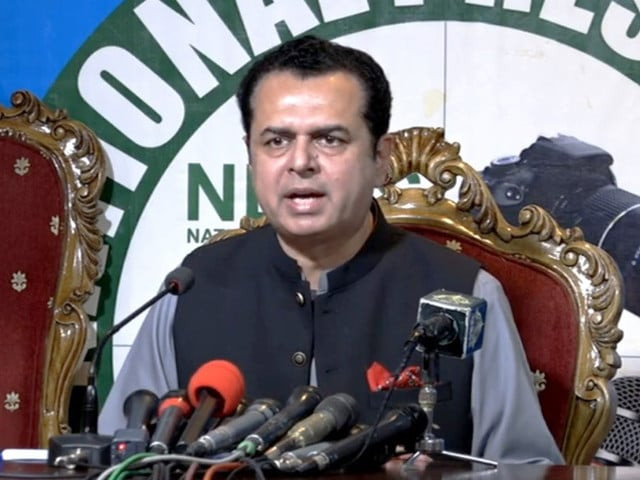
At the core of this dispute are bold allegations made by MQM-P leader Mustafa Kamal, who claims that the party’s founder, Altaf Hussain, orchestrated Dr. Farooq’s murder as a "gift" on his birthday. Such statements, made during a press conference, spotlight the bitter rift not only between the factions but also within them. Kamal did not hold back, describing Hussain as a "theatrical man" who "performs item songs over corpses," suggesting a deep-seated animosity that transcends party lines.
On the flip side, Mustafa Azizabadi from MQM-London vehemently denied Kamal’s claims, calling for tangible evidence to back up such serious accusations. The rising tension highlights a critical aspect of Pakistani politics—how personal vendettas and political ambitions often intertwine. Azizabadi further critiqued Kamal, suggesting he only speaks at the behest of external influences, thus shedding light on the intricacies of political maneuvering.
Adding another layer to the drama, Afaq Ahmed, another key figure within the MQM, questioned Kamal’s motives, stirring the pot even further. His remarks painted a picture of a deeply fragmented party, struggling with its identity and direction amid longstanding rivalries. It’s not just allegations; the history of political violence and unresolved cases of members’ murders loom large over the MQM’s legacy.
The murder of Dr. Imran Farooq in 2010 remains a painful chapter for the MQM. His tragic death, which followed years of political unrest, led to significant scrutiny and investigations. In contrast, key players today seem more invested in character assassination than in constructive dialogue. As the public watches this spectacle unfold, it raises questions about the future of the MQM and the state of politics in Karachi.
On a broader scale, these disputes serve as a reminder of the ongoing challenges within political parties, especially in regions marked by ethnic and linguistic divisions. The MQM’s history of internal strife and leadership crises only adds to the complexities of governance and representation in Pakistan.
As these political dramas unfold, it’s fascinating—and concerning—to see how personal narratives intertwine with the grander political story. For those interested in the intricacies of such political dynamics and the ongoing evolution of factions like the MQM, consider connecting with resources that provide deeper insights. Platforms like Pro21st can offer valuable perspectives and updates on these critical issues.
At Pro21st, we believe in sharing updates that matter.
Stay connected for more real conversations, fresh insights, and 21st-century perspectives.