
Iran’s Recent Satellite Launch: A Leap Forward in Space Technology
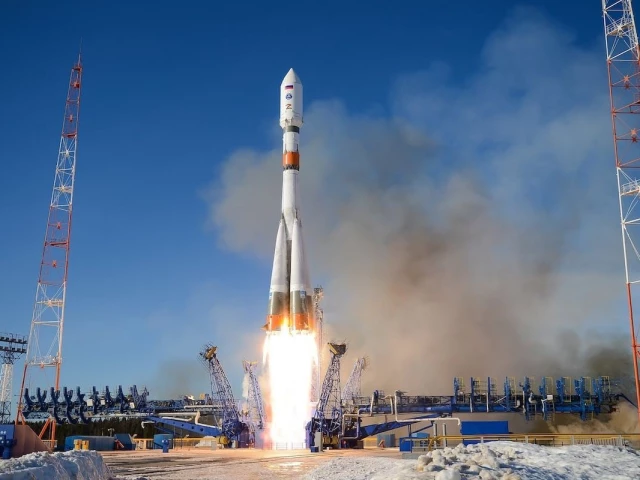
In an exciting development for Iran’s space program, the country successfully launched three domestically developed satellites: Paya, Zafar-2, and Kowsar 1.5. This notable launch took place aboard a Russian Soyuz rocket from Vostochny Cosmodrome, a strategic step further into the realm of satellite technology.
Paya, the centerpiece of this mission, weighs in at about 150 kilograms and represents the most advanced imaging satellite Iran has ever constructed. Equipped with artificial intelligence capabilities, Paya aims to revolutionize how the country monitors water resources, maps terrain, and conducts environmental analyses. It’s fascinating to think about how AI can enhance image resolution to provide clearer, more detailed information — something that can be crucial for effective planning and management in various sectors.
Alongside Paya, Zafar-2 and Kowsar 1.5 were developed through collaborations between Iranian universities and private companies. Zafar-2, built by academic researchers, showcases the capabilities of Iran’s educational institutions, while Kowsar 1.5 is an upgraded satellite from a private firm. This trajectory of involvement highlights a growing trend: the synergy between academia and the private sector is becoming a cornerstone of innovation in Iran’s space endeavors.
Why is this significant? As stated by the Iranian Space Agency (ISA) head, Hassan Salariyeh, this achievement underscores the “maturity” of Iran’s space sector. Launches like this one not only support civilian applications — such as agricultural planning and disaster response during emergencies like floods and earthquakes — but also bolster national technological self-reliance amid ongoing Western sanctions.
The timing of these developments couldn’t be more critical. As Iran continues to navigate complex geopolitical landscapes, the ability to harness space technology for environmental monitoring and resource management becomes increasingly essential. The potential benefits of satellite data for urban planning and tracking environmental changes are profound.
This launch is a testament to the hard work and innovation taking place within the Iranian space community. The integration of private companies and universities highlights a proactive approach to developing homegrown technology that can serve multiple purposes for society.
As updates from this mission continue to unfold, it will be fascinating to see the real-world impact of these satellites on various sectors within Iran. The collaboration between private firms and educational institutions signals a bright future for Iranian technology.
If you’re interested in staying connected with developments in space technology and more, consider following the work of organizations like Pro21st, which aims to bridge the gap in knowledge and innovation through insightful resources and discussions.