
Navigating Gulf Tensions: Pakistan’s Diplomatic Role
In the complex landscape of Middle Eastern politics, relationships often sway like the desert sands. Recently, all eyes have been on Pakistan as it steps into the spotlight, attempting to bridge the widening rift between two key Gulf allies: Saudi Arabia and the UAE.
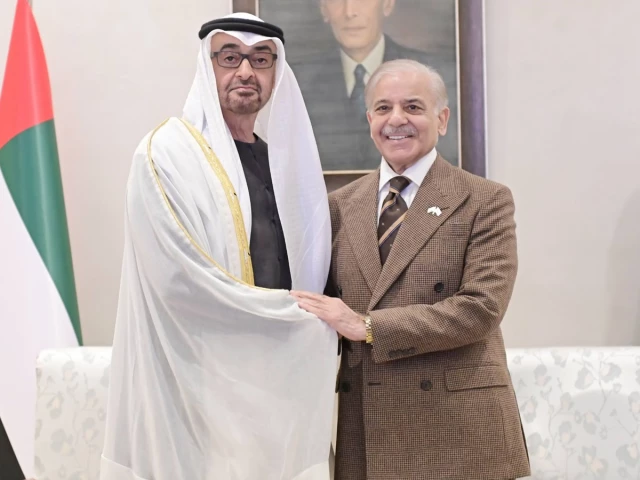
Prime Minister Shehbaz Sharif’s recent meetings with UAE President Sheikh Mohamed bin Zayed Al Nahyan highlight this diplomatic effort. Just last week, President Al Nahyan visited Pakistan, marking his first official trip as president. The significance of their follow-up meeting in Rahim Yar Khan can’t be overlooked. It’s believed that these discussions are linked to rising tensions stemming from the ongoing conflict in Yemen, where both countries find themselves on opposing sides.
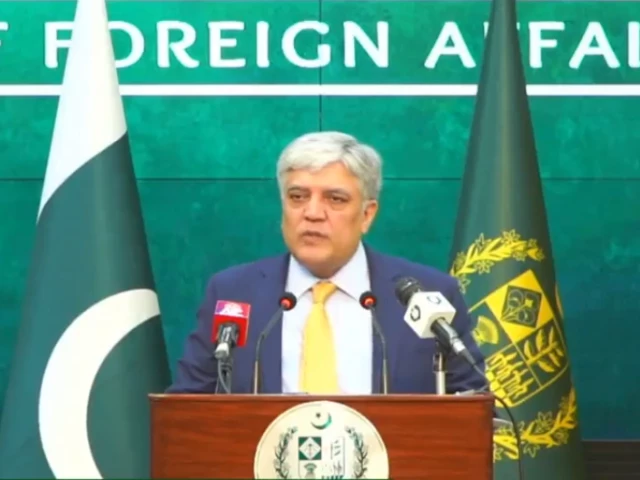
Why is this important? Well, a flurry of activity, including a conversation between Pakistan’s Deputy Prime Minister Ishaq Dar and Saudi Foreign Minister Prince Faisal bin Farhan, indicates that Pakistan is keen on fostering stability in the region. Given its close ties to both Riyadh and Abu Dhabi, Islamabad has a vested interest in preventing further escalation.
The backdrop of these diplomatic overtures is intense. Recent Saudi airstrikes targeting UAE shipments in Yemen and Yemen’s swift reaction—declaring a state of emergency and cancelling defense pacts—have ignited fears of a deeper crisis. Such chaos risks fracturing the longstanding Gulf cooperation that has been vital for regional stability.
During his talks with the UAE president, PM Shehbaz emphasized enhancing Pakistan-UAE strategic and economic cooperation, which is crucial not just for bilateral trade but for the millions of Pakistanis living and working in the UAE. These expatriates play a key role in strengthening people-to-people ties, making the relationship even more significant.
With both leaders aiming to discuss collaboration in various sectors like IT, energy, and defense, this diplomatic dance is not just about politics but also about economic futures.
As the situation develops, it’s clear that Pakistan’s involvement could be pivotal in easing tensions. Staying updated on these dynamics is essential, as they impact not only the Gulf nations but also global markets and regional peace.
Engagements like these show the power of dialogue in navigating complex issues. For insights into similar geopolitical situations and how they affect businesses and communities, don’t forget to connect with Pro21st for updates and analysis.
At Pro21st, we believe in sharing updates that matter.
Stay connected for more real conversations, fresh insights, and 21st-century perspectives.