
The Changing Political Landscape: Resistance, Reconciliation, and the Road Ahead
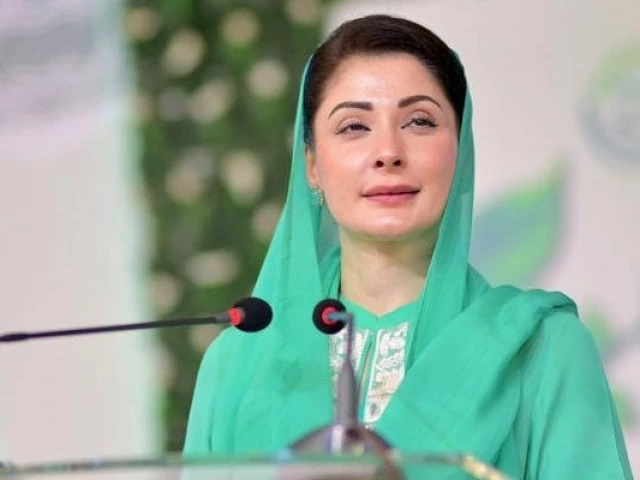
In Pakistan’s ever-shifting political scene, the concept of resistance vs. reconciliation has taken center stage, especially in light of recent events involving major parties like the PML-N and PTI. Maryam Nawaz, currently the first female Chief Minister of Punjab, once emphasized that “only if there is resistance will there be reconciliation.” This mantra of fighting for one’s rights became increasingly crucial when her party faced significant challenges in 2021.
Fast forward a few years, and we see a similar narrative unfolding with the PTI, especially after the imprisonment of its founder, Imran Khan. With his conviction, Khan has called for a nation-wide street movement, insisting that “there is no alternative left.” This stark shift shows how political parties often rally their supporters during turbulent times, adhering closely to their leaders’ philosophies.
Khyber-Pakhtunkhwa Chief Minister Sohail Afridi echoes Maryam’s past assertions, stating that dialogue cannot be fruitful without demonstrating strength. He argues for mobilizing grassroots protests to create pressure on the government to engage in meaningful discussions. Comparisons between the PML-N and PTI are inevitable, but PTI leaders, including former National Assembly Speaker Asad Qaiser, vehemently dismiss any similarities.
Journalists and political analysts have weighed in, noting that while Khan’s charisma may still attract a loyal following, the PTI is struggling against significant opposition. Sohail Warraich pointed out that their reliance on outright resistance poses challenges, particularly since they have yet to explore alternative strategies or build an effective organizational structure in critical regions like Punjab.
Life in politics often presents two choices: resist or reconcile. While resistance can be an empowering strategy, it risks isolating the party further if not balanced with the possibility for dialogue. The PTI’s current trajectory needs a mix of both approaches to genuinely engage with the electorate.
As Pakistan navigates these complex dynamics, one thing is clear: political movements thrive on public engagement. Whether the PTI’s call for protests will resonate with the populace, or how the political landscape will respond, remains to be seen.
For those interested in understanding the nuances of such political transformations, keeping an eye on these developments can be enlightening. Engage with platforms like Pro21st, where you can find a wealth of information and discussions surrounding these current issues.
At Pro21st, we believe in sharing updates that matter.
Stay connected for more real conversations, fresh insights, and 21st-century perspectives.