
Understanding the Air Quality Crisis: A Closer Look at Punjab’s Smog Problem
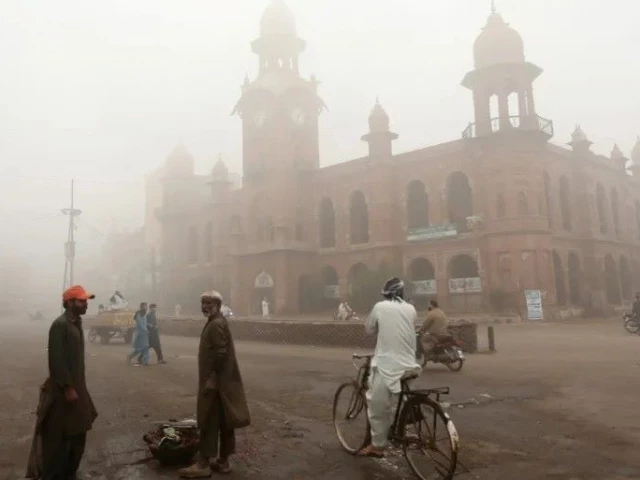
If you’ve ever been caught in a thick, gray haze or felt your throat scratchy and burning, you’re not alone. In Punjab, particularly Lahore, smog has turned the winter months into a public health crisis. Over 20 million people were impacted in 2025, with residents struggling against hazardous air quality.
Let’s get to the heart of the issue. More than 600,000 residents of Lahore alone sought medical help for illnesses linked directly to this smog crisis. Other major cities weren’t spared either: Faisalabad, Multan, Rawalpindi, and Gujranwala collectively dealt with more than 1.8 million cases of respiratory issues. It’s alarming, right?
Vulnerable groups like children, the elderly, and those with pre-existing conditions felt the worst effects. Hospitals reported skyrocketing cases of asthma attacks, chronic bronchitis, and pneumonia. Even people with conditions like heart disease were exacerbated. It seems that the air we breathe isn’t just invisible, it’s dangerously toxic.
And it doesn’t end there. Eye and skin complaints surged—patients experienced burning, watering eyes, and various skin irritations. The air quality in Lahore frequently crossed the limits set by the World Health Organization (WHO), so you can imagine how damaging this pollution can be over time.
What’s causing this hazy nightmare? Experts suggest a mix of factors: emissions from over 10 million vehicles, industrial pollutants, dust from construction sites, and seasonal stubble burning. As the winter months brought cold temperatures and stagnant air, these pollutants condensed and hovered over the cities from October to February.
Looking beyond Lahore, the numbers are equally sobering. Faisalabad documented about 400,000 cases of asthma and chronic bronchitis. Multan had around 350,000 seeking treatment for respiratory issues, while Gujranwala reported 300,000 cases involving respiratory infections. The list goes on: Sialkot noted 200,000 cases of chronic coughing and other ailments. In total, it is estimated that 8.9 million people struggled with various respiratory and heart-related illnesses across the region.
Faced with soaring hospital visits and deteriorating visibility, the Punjab government rolled out emergency measures: markets and schools temporarily closed, factories halted, and traffic restrictions were enforced. Public advisories urged everyone to wear masks and limit outdoor activity during peak smog conditions.
But let’s face it: short-term fixes won’t cut it. Health experts argue for long-term solutions—we need stricter controls on industrial emissions, better vehicle fuel standards, enhanced public transportation, and stricter enforcement against agricultural burning.
The Environment Protection Department has issued dire warnings that continuous exposure to fine particulate matter like PM2.5 could lead to irreversible health issues affecting the lungs, eyes, and heart. This isn’t just a seasonal hiccup; it’s a chronic threat we must tackle head-on.
The smog crisis in Punjab sheds light on a larger issue: the urgent need for comprehensive policies that prioritize public health and environmental safety. While we can take immediate steps to protect ourselves—like staying indoors during hazardous conditions—the real battle lies in urging our governments and communities to implement lasting change.
If you’re interested in staying informed about air quality issues and their impact, or if you’re looking for ways to get involved in local efforts, connect with groups like Pro21st. Together, we can advocate for better air quality and a healthier future for all of us.
At Pro21st, we believe in sharing updates that matter.
Stay connected for more real conversations, fresh insights, and 21st-century perspectives.