
The Humanitarian Crisis in Gaza: An Urgent Call for Action
As winter conditions set in, nearly 1.9 million people in Gaza find themselves at severe risk. These vulnerable individuals, including children, women, the elderly, and those with medical needs, are living in inadequate shelters, facing shortages of basic necessities.
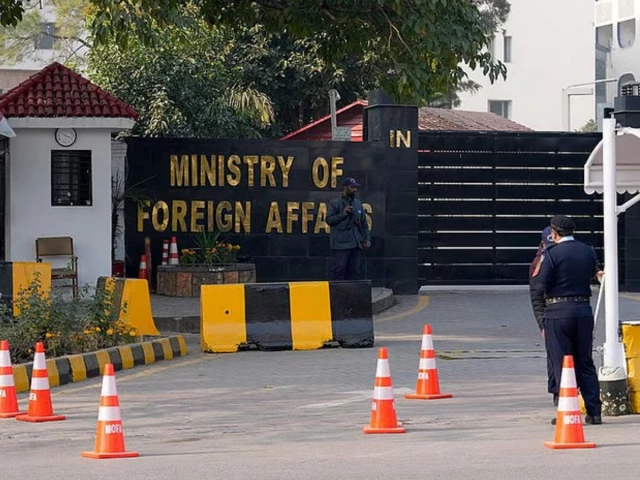
The recent statements from the foreign ministers of Pakistan, Egypt, Indonesia, Jordan, Qatar, Saudi Arabia, Turkiye, and the UAE highlight the critical state of affairs. They conveyed deep concern over the escalating humanitarian crisis in Gaza, compounded by damaged infrastructure and severe shortages of essential supplies.
The ministers acknowledged the ongoing relief efforts by UN agencies, particularly the United Nations Relief and Works Agency (UNRWA), and emphasized the need for sustained humanitarian operations. They called for urgent measures to ensure that those affected have access to durable shelters, medical supplies, and clean water. Furthermore, opening the Rafah Crossing for humanitarian access was deemed essential in aiding relief efforts.
On the ground, the situation is dire. Reports indicate that over 52,000 Palestinians have lost their lives, including a heartbreaking number of more than 18,000 children. With over 90% of homes destroyed, and the obliteration of hospitals and schools, two million people have been forcibly displaced. The United Nations has raised alarms about a heightened risk of famine, which paints a bleak picture of the future if immediate action isn’t taken.
While the international community discusses relief and recovery plans, legal proceedings concerning humanitarian access are being pursued globally, with various nations bringing the matter before the International Court of Justice. Analysts stress the urgency of these discussions, citing potential violations of international humanitarian law.
In addition to the humanitarian focus, the geopolitical climate remains tense. Recently, China conducted military drills around Taiwan, igniting concerns among other nations about escalating regional tensions. This backdrop highlights how interconnected global issues can influence humanitarian crises, and illustrates the urgency for collective diplomatic action.
As we reflect on the situation in Gaza, it’s crucial to raise our voices in support of humanitarian efforts and advocate for immediate assistance. Global connection and understanding can play significant roles in alleviating suffering and fostering recovery. If you’re looking to engage further on this topic or find meaningful ways to contribute, consider exploring platforms like Pro21st. Together, we can work towards creating a more compassionate and connected world.
At Pro21st, we believe in sharing updates that matter.
Stay connected for more real conversations, fresh insights, and 21st-century perspectives.