
Tensions Rise: Pakistan Responds to India’s Comments on Kashmir and Water Sharing
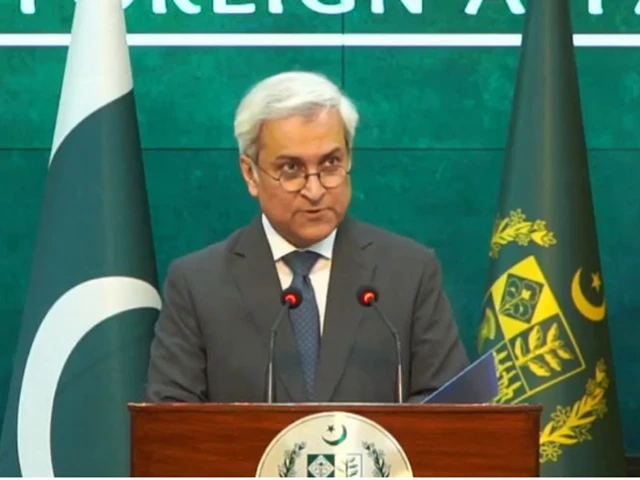
In a recent statement, Pakistan’s Ministry of Foreign Affairs, specifically spokesperson Tahir Hussain Andrabi, firmly rejected remarks made by India’s External Affairs Minister, S. Jaishankar. Andrabi emphasized that India seems to divert attention from its own contentious actions in the region, particularly relating to terrorism and instability.
India’s minister had expressed the right of any nation to protect itself from “bad neighbours,” an assertion that sparked a swift reply from Pakistan. The Foreign Office’s statement underscored the ongoing military occupation of Jammu and Kashmir by India and reaffirmed Pakistan’s commitment to supporting the Kashmiri people’s quest for self-determination, a stance aligned with United Nations Security Council resolutions.
One key point highlighted was the troubling case of Commander Kulbhushan Jadhav, a former Indian Navy officer whose arrest in Balochistan in 2016 brought to light allegations against India regarding state-sponsored terrorism. Pakistan claims Jadhav confessed to connections with India’s intelligence agency, implicating him in espionage activities on Pakistani soil.
The discussion also turned toward the Indus Waters Treaty, a crucial agreement between the two nations regarding water-sharing. Andrabi warned that any unilateral actions taken by India could destabilize the region and question its adherence to international agreements. He stressed that Pakistan would take all necessary steps to protect its rights under this treaty, highlighting the treaty’s significance given its long history and high stakes.
In a world where water scarcity and regional stability are of utmost concern, the dialogue surrounding the Indus Waters Treaty takes on added weight. Both sides seem to be navigating choppy waters as they attempt to balance their national interests while engaging in occasional high-level contacts, such as the recent handshake between Ayaz Sadiq of Pakistan and Jaishankar during a funeral in Dhaka.
As the situation evolves, it’s essential to keep the dialogue open and seek peaceful resolutions to these complex issues. Understanding the nuances of international relations can help foster better discussions moving forward. If you’re interested in diving deeper into topics like this, consider connecting with Pro21st for insights and analysis on diplomatic matters that shape our world today.
At Pro21st, we believe in sharing updates that matter.
Stay connected for more real conversations, fresh insights, and 21st-century perspectives.