
Pakistan’s Diplomatic Stance on Afghanistan and Regional Security
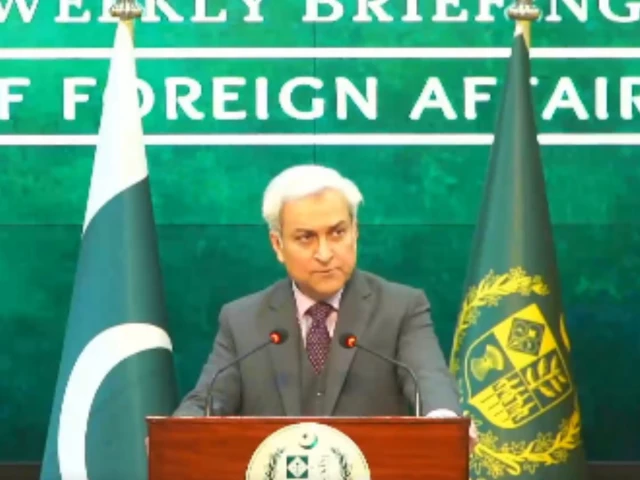
In a recent press briefing, Pakistan’s Foreign Office aimed to clarify its future approach regarding Afghanistan amidst a backdrop of complex regional dynamics. Pakistan is committed to the trilateral mechanism that includes China and Afghanistan, underscoring its push for a constructive relationship. But it’s clear that this commitment comes with expectations. Tahir Hussain Andrabi, the Foreign Office spokesperson, emphasized that Pakistan demands verifiable guarantees from Afghanistan that its territory won’t be used to harbor terrorism.
This demand is rooted in longstanding concerns over the activities of the Tehreek-e-Taliban Pakistan (TTP), which has reportedly found refuge within Afghan borders. Despite Pakistan’s efforts to support the Taliban’s return to power in 2021, the anticipated benefits, especially in terms of border security, have not materialized. Instead, attacks from the TTP in regions like Khyber Pakhtunkhwa have intensified, straining Islamabad’s patience.
The press briefing also touched on relationships beyond Afghanistan. Andrabi dismissed claims regarding a new defense deal involving Saudi Arabia and reiterated the importance of maintaining transparent communications on military partnerships. Furthermore, the spokesperson refuted claims by Indian officials, labeling them as unsubstantiated and accusing India of supporting terrorism.
Additionally, the briefing addressed protests in Iran, with Andrabi expressing Pakistan’s disapproval of foreign interference in Iranian domestic affairs. The situation there has escalated, resulting in violence and casualties. On another front, Pakistan remains firm in its stance against recognizing Somaliland, emphasizing the importance of Somalia’s territorial integrity.
In conducting its foreign policy, Pakistan is navigating through a web of regional tensions while calling for cooperation against shared threats like terrorism. As the geopolitical landscape continues to shift, staying informed and connected is crucial for understanding these intricate dynamics. If you’re interested in deeper insights and ongoing analysis about South Asian affairs, consider following Pro21st for expert commentary and updates.
At Pro21st, we believe in sharing updates that matter.
Stay connected for more real conversations, fresh insights, and 21st-century perspectives.