
Strengthening Ties: Pakistan and Iraq’s Commitment to Air Force Collaboration
Recently, a significant meeting took place between the air forces of Pakistan and Iraq, spotlighting the growing cooperation in military technology and training. This encounter, led by Pakistan’s Chief of Air Staff, Air Chief Marshal Zaheer Ahmed Baber Sidhu, highlighted Iraq’s interest in acquiring Pakistan’s advanced fighter jets, specifically the JF-17 Thunder, along with the Super Mushshak trainer aircraft.
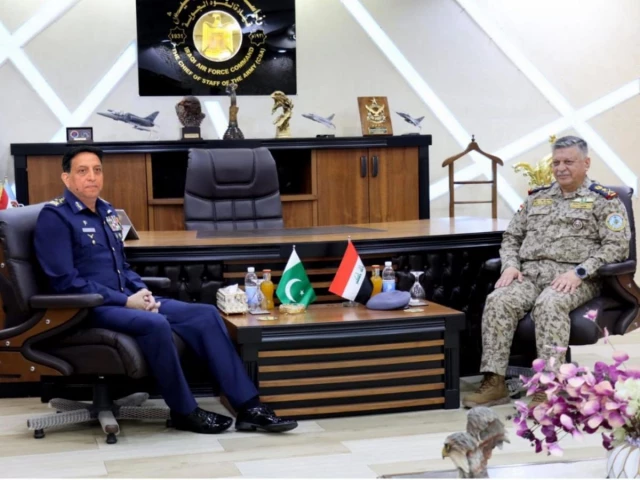
During his visit to Baghdad, Sidhu met with Iraq’s air force commander, Lieutenant General Staff Pilot Mohanad Ghalib Mohammed Radi Al-Asadi. The discussions veered toward collaboration in joint training programs and enhancing operational cooperation—an essential step in fostering stronger military ties.
Al-Asadi praised the professionalism and cutting-edge technology of the Pakistan Air Force (PAF). His eagerness to utilize Pakistan’s world-class training facilities is a testament to the confidence Iraq places in Pakistan’s defense capabilities. Both leaders recognized the deep-seated cultural and historical connections between their countries, aiming to integrate these ties into robust military partnerships.
The JF-17 Thunder, a symbol of Pakistan’s defense innovation, has gained international recognition, especially following its operational success during previous conflicts. This interest is palpable—both in Iraq and beyond—as nations seek to upgrade their military assets. Following a notable engagement where the PAF demonstrated its capabilities, interest in Pakistan’s military hardware has surged, enhancing its defense exports.
This strengthened relationship isn’t just limited to military hardware. The two countries agreed on joint training exercises, designed to improve the interoperability of their air forces. Such initiatives will ensure that both nations can operate seamlessly together, especially during peacekeeping or collaborative missions.
Military cooperation like this holds great importance, especially in a region where stability can often feel elusive. Iraq’s interest in Pakistan’s defense technology underlines a broader push for stability and security in the region. By fostering these defense ties, both countries aim to promote a sense of security that can lead to increased regional cooperation.
If you’re interested in staying updated on developments in international military relations and technology, connecting with organizations like Pro21st can provide valuable insights. They offer resources that can help you understand these complex dynamics better. Together, nations like Pakistan and Iraq are paving the way for a more secure future through collaboration and shared expertise.
At Pro21st, we believe in sharing updates that matter.
Stay connected for more real conversations, fresh insights, and 21st-century perspectives.