
The Electricity Bill Dilemma: What’s Happening in Pakistan?
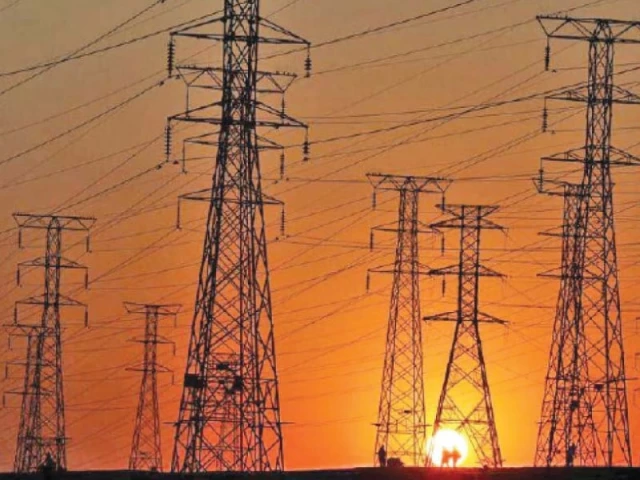
If you’re living in Pakistan, you might have felt the sting of electricity bills that seem to rise with every season, regardless of how much power you actually use. Recently, the Senate Standing Committee on the Cabinet Secretariat addressed some of these pressing concerns, bringing the spotlight on the way electricity is billed and the glaring issues consumers face.
Senator Saleem Mandviwalla took a significant stand against the National Electric Power Regulatory Authority (Nepra), criticizing them for charging consumers a whopping Rs220 billion for electricity that was theoretically generated but never actually consumed. Can you imagine paying for something you didn’t use? It feels unjust, right? He emphasized that this levy particularly affects consumers during winter when overall electricity consumption dips.
Moreover, Senator Abdul Qadir echoed Mandviwalla’s concerns, highlighting the persistent problems plaguing our electricity sector. Despite official claims that electricity prices have dropped and audits of Independent Power Producers (IPPs) have been completed, many feel little has changed. “Electricity remains a major issue for 250 million people,” he said.
The committee did not shy away from proposing a forensic audit of IPPs, aimed at understanding the real numbers behind generated power and what the government pays them. It’s a move many believe could finally shed some light on the murky waters of electricity billing.
Another pressing concern discussed was the delay in new electricity connections, which stands at a staggering 1,000 megawatts. With high energy prices adversely affecting exports, there’s an urgent need for clearer solutions.
What about tariffs? A Nepra official clarified that tariffs consist of two parts: capacity charges and energy charges. Capacity charges aren’t linked to actual electricity consumption, making it feel like you’re being charged for a product you didn’t even receive. How frustrating is that?
Businessman Zubair Motiwala brought up the additional complications like fuel adjustment surcharges, which leave many consumers wondering why their bills remain high even when the unit price of electricity goes down. For many, the burden of these high costs could force them to seek alternative energy solutions instead of relying on the grid.
With all these discussions, it’s evident that urgent action is needed to address the myriad challenges facing the electricity sector in Pakistan. Consumers deserve fair billing practices, and accountability is essential in ensuring that power companies serve the public effectively.
If you’re looking to understand more about the dynamics of energy pricing in Pakistan or want to stay updated on potential reforms, engaging with platforms like Pro21st can provide you with insights and community support. Let’s continue the conversation and advocate for change together!
At Pro21st, we believe in sharing updates that matter.
Stay connected for more real conversations, fresh insights, and 21st-century perspectives.