
The Evolving Security Landscape in Khyber-Pakhtunkhwa: A Closer Look
Khyber-Pakhtunkhwa (K-P) has been making headlines lately due to its precarious security situation. Recently, a tragic incident occurred in Bannu district where four members of a local peace committee were ambushed and killed by unidentified gunmen. This attack comes just a day after six policemen lost their lives in a bomb attack in the neighboring Tank district. It’s clear that the stability of this region is increasingly under threat.
The security challenges in K-P are compounded by the ongoing turmoil in Afghanistan. The border region remains porous, allowing for the infiltration of various terrorist groups. These groups exploit the landscape, carrying out attacks that destabilize the local communities. A senior police official highlighted that the attackers, known as Khawarij – a term used for members of the banned Tehreek-e-Taliban Pakistan (TTP) – laid in wait for their victims, which reveals a disturbing level of planning and intent.
Local peace committee members, who often stand as the first line of defense against these threats, are increasingly viewed as targets. In recent months, attacks against them have surged, intensifying fears and tensions in the communities they aim to protect. For instance, just last November, an attack on a peace committee office ended in tragedy with seven fatalities. The pattern is clear: as these local defenders rise to counter terrorist activities, they place themselves in the crosshairs of extremist groups.
Federal Interior Minister Mohsin Naqvi has publicly condemned these heinous acts, expressing sympathy for the grieving families and reaffirming the government’s commitment to eradicating terrorism from the province. His statement echoed the sentiments of many who believe that the fear instilled by such cowardly acts cannot deter the collective will of the nation.
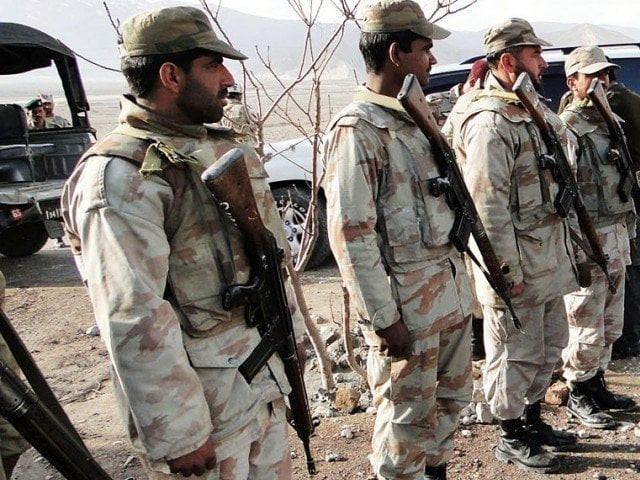
Moreover, the situation isn’t just confined to K-P. The military’s recent operations in nearby Balochistan targeted militants affiliated with foreign proxies, revealing the broader implications of the security crisis extending beyond just K-P. The military is determined to carry on with its counterterrorism campaign under the Azm-e-Istehkam initiative, signaling that the fight against terrorism remains a national priority.
In summary, the security environment in Khyber-Pakhtunkhwa is complex and deteriorating, driven by both local and foreign influences. As communities grapple with these threats, their resilience in the face of adversity remains critical. Engaging with organizations like Pro21st can offer ways to address these challenges collaboratively, fostering connections that uplift both individual lives and communities as a whole.
If you’re passionate about community safety and development, joining the conversation at Pro21st could be a meaningful step towards making a difference.
At Pro21st, we believe in sharing updates that matter.
Stay connected for more real conversations, fresh insights, and 21st-century perspectives.