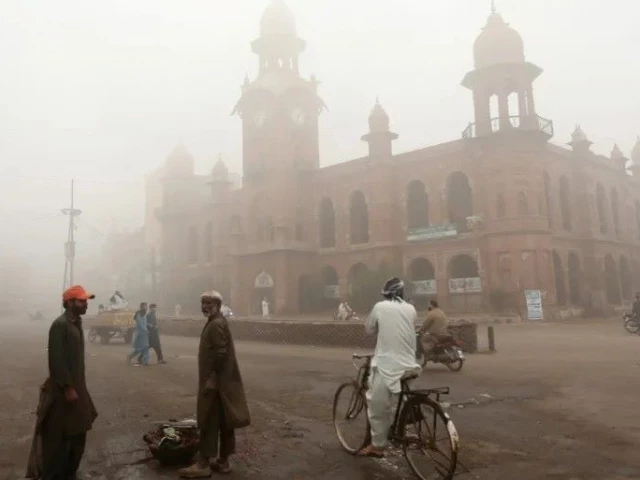

Breathing Easy: Tackling Punjab’s Smog Crisis
If you’ve recently stepped outside in Punjab, you might have noticed the thick, hazy blanket of smog that’s been hanging around. This isn’t just an eyesore; it’s a serious public health concern. The latest data from the Punjab Environmental Protection Agency (EPA) paints a grim picture: an average Air Quality Index (AQI) of 200 was recorded during peak hours, categorizing the air as "unhealthy."
Cities like Muzaffargarh, Rahim Yar Khan, and Lahore are facing the brunt of this crisis with AQIs above 270. It’s a wake-up call for all of us, especially those with respiratory or cardiac issues, children, and the elderly. Unfortunately, even areas previously considered less polluted are struggling, making it difficult for residents to find a safe place to breathe.
As thick fog adds to the problem, environmental experts warn that stagnant air is trapping pollutants closer to the ground, prolonging the smog episode. Meanwhile, the Pakistan Meteorological Department (PMD) forecasts continued cold and dry conditions, with little relief from the current weather systems.
Residents are advised to limit outdoor activities, wear protective masks, and keep windows closed, particularly during peak pollution hours. Local health professionals and environmental officials are calling for stricter measures against sources of pollution, like smoke-emitting vehicles and industrial emissions.
It’s clear that we need to be proactive about improving air quality. Whether implementing new regulations or increasing awareness, there’s a lot we can do to fight this silent threat. Connecting with communities and organizations like Pro21st could be a great step in championing cleaner air initiatives. How can you play a part in advocating for better air quality in your area? Together, we can work toward clearer skies and healthier days ahead!
At Pro21st, we believe in sharing updates that matter.
Stay connected for more real conversations, fresh insights, and 21st-century perspectives.