
Title: What Hamas’s Recent Stance Means for Gaza’s Future
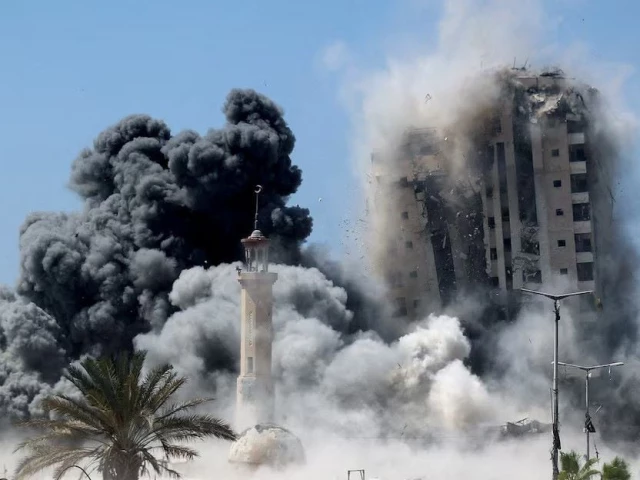
In a surprising move, Hamas has reiterated that it will not disarm, shaking up the peace process that many had hoped would bring stability to Gaza. This declaration comes after a period of silence from the Palestinian organization and throws a wrench into President Donald Trump’s ambitious ‘Board of Peace.’ The aim was to demilitarize and rebuild Gaza, so this pushback from Hamas chief Khaled Meshal is raising eyebrows and prompting discussions among analysts.
Hamas made it clear: "As long as there is occupation, there is resistance." This statement resonates deeply, not just within Gaza, but across the Arab world. For many, this resolve reflects a broader, historical stance that resistance is a fundamental right for those under occupation. The intensity of their commitment to retaining arms despite increasing pressure highlights a critical tension in the ongoing conflict.
Interestingly, experts have pointed out that Hamas still has a significant presence in Gaza, with around 20,000 fighters and 60,000 Kalashnikovs at their disposal. This contradicts the narrative promoted by some that Hamas has been effectively dismantled. However, it’s crucial to consider whether this resolve can withstand external pressures, particularly as their supply lines—particularly from Iran—face increasing challenges.
With an executive session of the Board of Peace looming, all stakeholders need to reassess the strategy for Gaza. Approximately two million Gazans are in desperate need of viable solutions, and any plan must prioritize holding Israel accountable for its actions. Rather than solely focusing on disarmament, it may be more productive to first address the underlying issues driving this longstanding conflict.
Moreover, Hamas has hinted at potential cooperation, suggesting they might be open to disarming under the right conditions with a recognized Palestinian governing body. This could signal a willingness to engage in dialogue—if peace is sought fairly by all parties involved.
In times of conflict, understanding the nuances and perspectives of all sides is essential. If you’re looking to dive deeper into these complex issues, consider exploring resources and discussions available at Pro21st. There, you can find more insights on the ongoing shifts in the Middle East and how they impact broader peace initiatives.