
The Early Heat Wave: What You Need to Know
Have you felt the sweltering heat lately? If you’re in the western United States, you’re not alone. This past week, an unprecedented heat wave has sent temperatures soaring, breaking records that experts are calling a one-in-500-year event. Yes, you read that right! Most of us are still bundled up, savoring the last bites of winter, yet here we are—grappling with summer-like temperatures in March.
Four locations near the California-Arizona border hit a scorching 44.4°C (that’s about 112°F), the hottest March temperature ever recorded in the U.S. While Death Valley is known for its heat, even typically cooler cities like San Francisco are tying their historic highs. Just imagine skiers in Colorado ditching their jackets for a t-shirt! It’s clear that something unusual is happening.
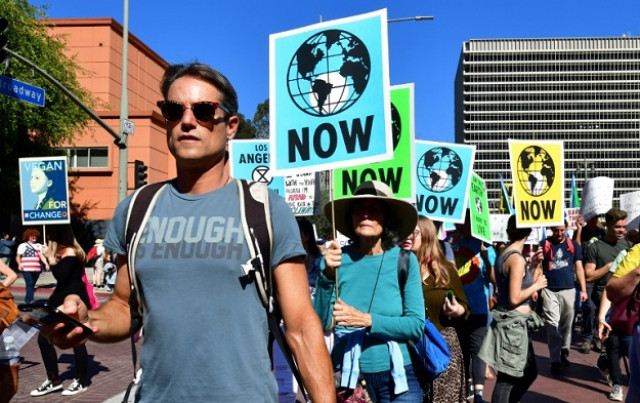
The National Weather Service has sent out extreme heat warnings, urging people to be cautious, especially concerning children and pets left in closed cars. Climate experts are sounding alarms, stating that such intense heat in March would be nearly impossible without human-induced climate change. It’s like Mother Nature is sending us a message that she’s not too pleased with how we’ve been treating our planet!
What’s particularly concerning is that this isn’t just a fleeting issue. Plants and wildlife are reacting to the heat, blooming early and throwing off natural seasonal cycles developed over centuries. Friederike Otto, a professor at Imperial College London, emphasized, “These findings leave no room for doubt. Climate change is pushing weather into extremes.”
As we transition into spring, many regions in the East are dealing with snowstorms and tornadoes, exemplifying just how unpredictable and severe our climate is becoming. One resident from Los Angeles, Terry Salas, put it rather succinctly when he remarked, “We’re having summer temperatures that we never, ever had in March.”
While we can enjoy the warmth, it’s vital to acknowledge the pressing challenges this heat wave represents. We need to adapt and consider sustainable practices as we move forward. At Pro21st, we believe that understanding and addressing climate change is a collaborative effort. If you’re keen to learn more and join the conversation about sustainability, why not reach out? We’re all in this together, and every small step counts!