
Ensuring Stable Fuel Supplies: A Focus on Targeted Subsidies
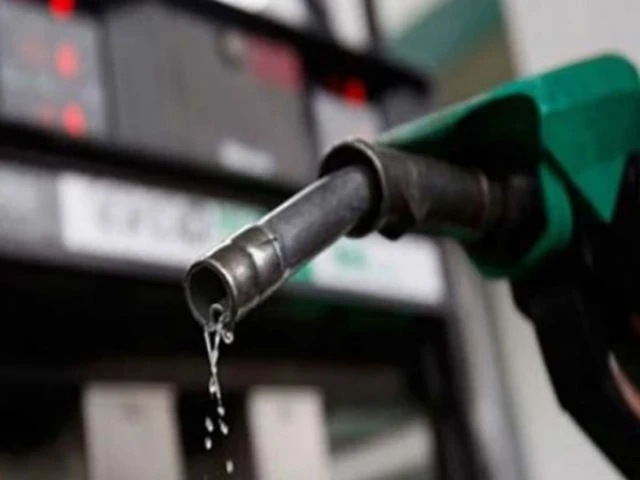
In recent discussions about the energy sector in Pakistan, the Petroleum Division reported that fuel supplies are not only stable but satisfactory across the nation. This comes at a time when many are concerned about potential shortages due to global uncertainties. It’s reassuring news for consumers and businesses alike, indicating that the government is on top of the situation.
At a recent high-level meeting chaired by Finance Minister Muhammad Aurangzeb, both federal and provincial leaders united in their commitment to tackle the ongoing energy challenges. The consensus was clear: while broad subsidies might not be feasible due to fiscal constraints, a targeted, data-driven subsidy approach could effectively channel support to those who need it most. This new framework aims to strike a balance between offering relief and maintaining fiscal discipline—a crucial aspect of economic stability.
One of the innovative steps discussed was the introduction of a mobile application to manage the subsidy distribution. By leveraging technology, officials believe this will enhance transparency and ensure that aid reaches the right people smoothly and efficiently. The Ministry of IT has been tasked with developing this system, which could revolutionize how subsidies are administered.
Moreover, provincial leaders were proactive in the discussions. Sindh’s Chief Minister Syed Murad Ali Shah pointed out the importance of not just maintaining fuel supply but also fostering a culture of conservation among the populace. This is a critical point—encouraging responsible consumption will not only help mitigate future shortages but also promote a more sustainable approach to energy use.
From Punjab, Senior Minister Marriyum Aurangzeb highlighted the necessity of passing on the benefits of falling global oil prices directly to consumers, advocating for policies that adapt to changing circumstances. This idea resonates well with consumers who are keen to see tangible benefits at the pump.
It’s interesting to note the feedback from Khyber-Pakhtunkhwa’s Finance Minister Muzammil Aslam, who praised the federal government’s ability to maintain fuel supply levels better than many countries in the region. Such acknowledgments reinforce the importance of coordinated efforts in ensuring energy security.
The discussions didn’t shy away from the challenges either; fiscal constraints continue to be a significant concern, particularly concerning the revenues generated through petroleum levies. This aspect necessitates careful planning to ensure that any relief offered does not destabilize the economy.
Ultimately, Finance Minister Aurangzeb urged participants to view the current situation as an opportunity for structural reforms rather than merely a challenge. With a focus on data-driven decision-making and transparency in both tax and subsidy systems, the government appears committed to not just short-term fixes, but long-lasting solutions.
As we move forward, it’s reassuring to see that there’s a strong commitment to finalizing the targeted subsidy framework quickly and effectively. Maintaining close coordination between federal and provincial governments will be key in implementing this new system and ensuring it meets the needs of all citizens.
If you’re looking for more insights and updates in the realm of energy policies and subsidies, consider connecting with Pro21st for detailed analyses and discussions on what these changes mean for you. Together, we can navigate the evolving energy landscape in Pakistan!