
Navigating the Turbulent Waters of Pakistan’s Energy Debate
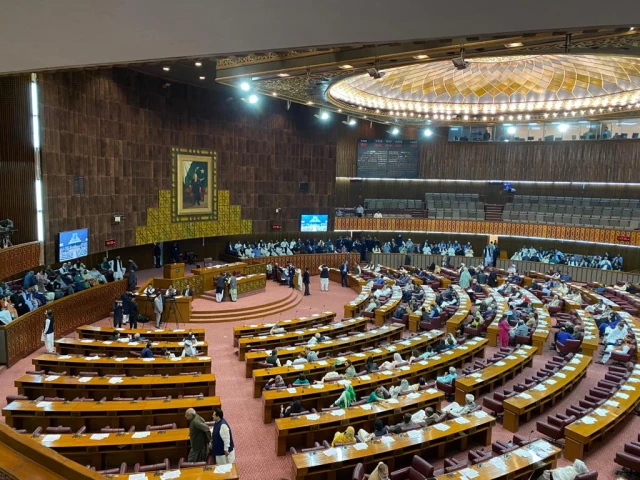
In a recent session of Pakistan’s National Assembly, heated discussions erupted over the rising petroleum prices, amplified by ongoing conflicts in the Gulf region. Both treasury and opposition members engaged in pointed exchanges, raising concerns over economic policies that seem to be weighing down ordinary citizens.
The day kicked off with a moment of reflection, as lawmakers offered prayers for recent terror victims, setting a somber tone for what would be a contentious debate. One of the central issues was energy policy, with PPP MNA Naveed Qamar spotlighting changes in net metering and taxes on solar panels. He posed an important question: why discourage green energy efforts when fossil fuel dependence continues to inflate electricity costs?
In response, Defence Minister Khawaja Asif stated that the government aims to maintain a "delicate balance" in the energy sector. Long-term agreements complicate their ability to maneuver, but he assured continued efforts toward flexibility through negotiations.
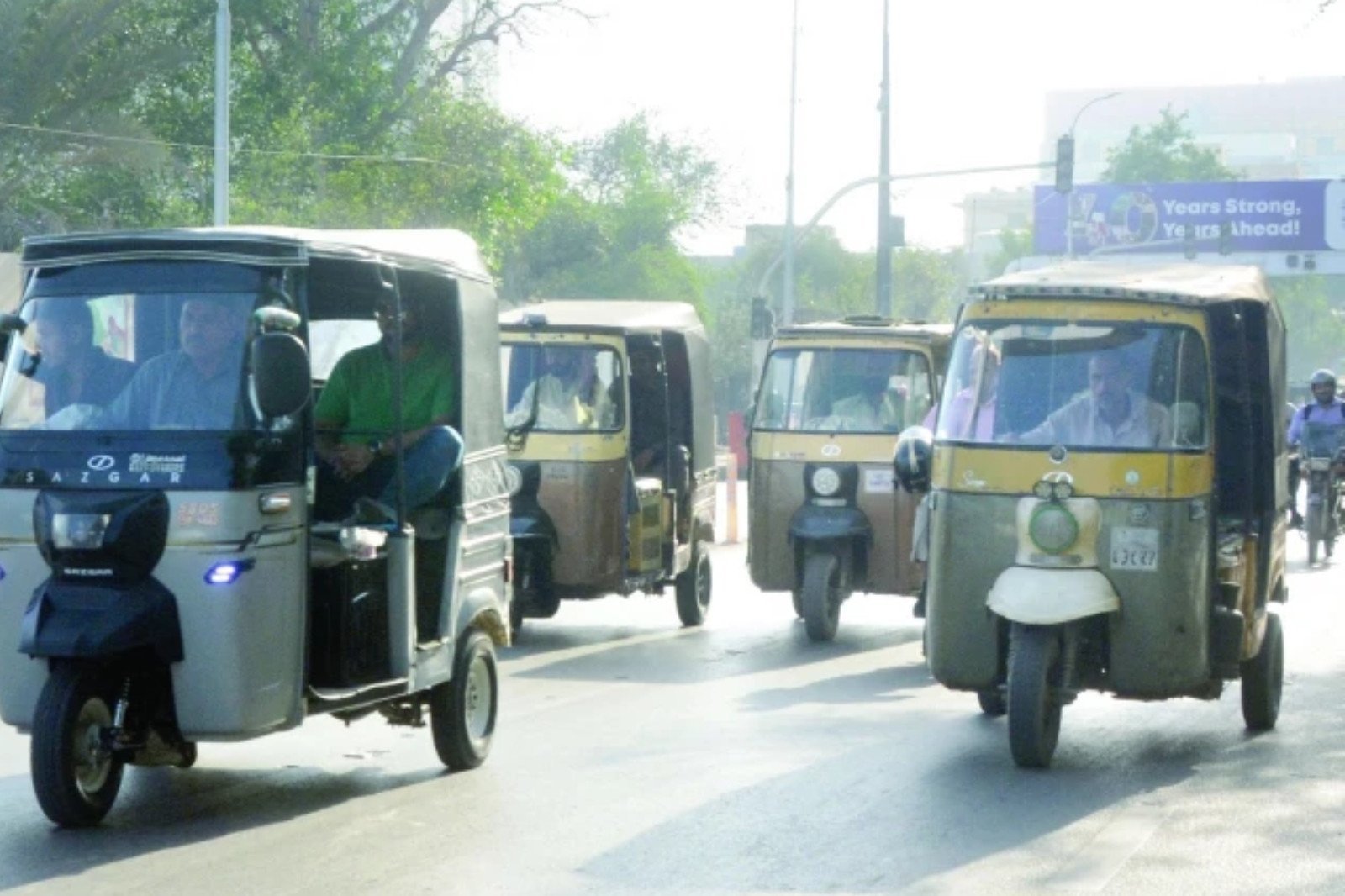
Shifting to the rising costs of petroleum, PPP’s Sharmila Faruqui emphasized the public’s struggles under repeated price hikes. Amidst rising inflation and heavy taxation, she criticized the government’s lack of clear policy direction. Similarly, other lawmakers from various parties raised concerns about the burdens placed on farmers, ordinary citizens, and the challenges of Afghanistan’s relationship amid these pressures.
Despite the contention, Minister of State Bilal Azhar Kayani defended the government’s strategies, stating that they had reduced petroleum levies in a bid to ease the public’s financial strain. With discussions on digital invoicing and expanding the tax net, the government appears focused on crafting a more sustainable economic environment, though critics remain skeptical.
The debate also delved into whether certain political figures deserve access to lavish expenditures, like the reported purchase of an aircraft for Punjab’s chief minister. Lawmakers called for reduced expenses and a focus on negotiating a better deal with the IMF to secure relief for the public.
Calls for unity echoed throughout the session, with Leader of Opposition Mahmood Khan Achakzai urging a collective approach to overcome the current crisis and improve relations with neighboring countries.
In these heated discussions, it’s clear that Pakistan is at a crossroads, grappling with the consequences of policy decisions in a complex geopolitical landscape. As dialogue continues, solutions remain critical for the welfare of the citizens. If you’re interested in more insights like these or want to engage with broader discussions on energy and economic policy, check out Pro21st for updates and expert opinions!