
Collective Responsibility: Insights from Pakistan’s Corps Commanders’ Conference
In today’s fast-paced world, the concept of collective responsibility is more pertinent than ever. Recently, during the 275th Corps Commanders’ Conference (CCC) in Islamabad, Pakistan’s military leadership emphasized this crucial idea amidst rising geopolitical tensions, particularly concerning the fragile ceasefire between Iran and the United States.
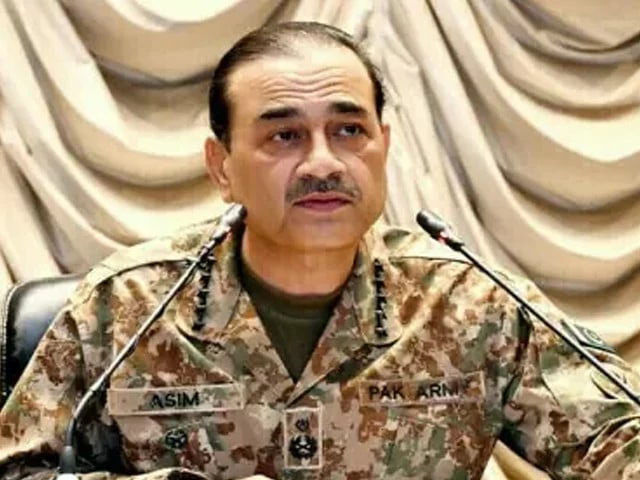
Chaired by Chief of Army Staff Field Marshal Syed Asim Munir, the conference reviewed the country’s internal and external security environments. While the discussions were broad, the underlying message was unmistakable: peace and stability are inherently tied to restraint, responsibility, and respect for sovereignty.
With the ceasefire precariously hanging in the balance, concerns were raised about escalating conflicts in the Gulf region. Pakistan, acting as a key mediator, is committed to ensuring that diplomatic processes remain intact. The military expressed its ongoing support for regional stability while underscoring the importance of responsible action from all parties involved.
One particularly significant area discussed was the security situation along Pakistan’s western border, where they noted the decrease in terrorist threats due to ongoing operations, specifically Operation Ghazab Lil Haq. However, the commanders also pointed out the troubling security policies of the Afghan Taliban, which have created sanctuaries for various terrorist groups. This situation not only complicates security efforts but also presents challenges on the international stage.
As leaders expressed satisfaction with the operational readiness of the armed forces, they also recognized the sacrifices of the martyrs who have defended Pakistan’s sovereignty. Their commitment is a cornerstone of national unity and resilience, reminding us that collective action is vital for security and peace.
The conference didn’t shy away from addressing human rights violations in Indian Illegally Occupied Jammu and Kashmir either. The military reaffirmed its solidarity with the Kashmiri people, reinforcing Pakistan’s diplomatic position on the global stage.
In a world rife with challenges, the discussions at the CCC reinforced the idea that only through collaborative efforts can nations achieve sustainable peace. Whether it’s managing internal security risks or advocating for diplomatic solutions abroad, the message is clear: everyone has a role to play.
As we reflect on these developments, it’s crucial to remember that every individual, community, and nation carries a shared responsibility to foster peace. Acknowledging this can lead to lasting change, not just locally but globally.
For more insights on geopolitical developments and ways to engage with this complex landscape, consider connecting with platforms like Pro21st. Together, we can share knowledge and stay informed on significant issues impacting our world.