
Understanding the Outreach of the RSS: Bridging Perceptions Abroad
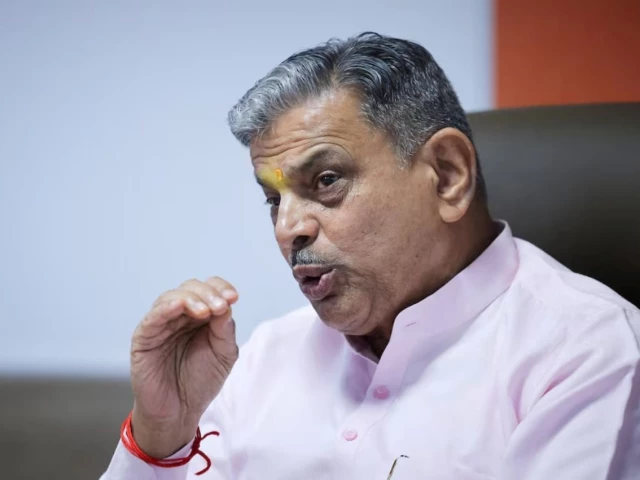
In recent news, Dattatreya Hosabale, the General Secretary of the Rashtriya Swayamsevak Sangh (RSS), has been actively addressing audiences in countries like the USA, Germany, and Britain. His goal? To combat misconceptions surrounding the organization, especially after critical reports highlighted concerns about violence and intolerance associated with it.
The RSS, which is often linked to Indian Prime Minister Narendra Modi’s Bharatiya Janata Party (BJP), describes itself as a Hindu-centric cultural movement. It aims to unite Hindus and elevate their cultural significance. However, its history is marked by several bans and allegations of fostering a majoritarian ideology — a topic fiercely debated within Indian politics.
During his recent briefings, Hosabale acknowledged the concerns about the RSS being viewed as a paramilitary organization or even a group that promotes Hindu supremacy. He aims to clarify these points by engaging with various international policymakers, academics, and business leaders to assure them of the organization’s true intentions.
Moreover, the critiques from Indian opposition leaders emphasize fears that the RSS might strip away India’s secular roots, pushing a divisive political agenda. This narrative gained traction especially after Modi’s government undertook bold moves like revoking the special status of Jammu and Kashmir and constructing a temple at a historically sensitive site.
Interestingly, while these political maneuvers have been polarizing, Hosabale’s outreach could represent a new chapter for the RSS. By engaging with international audiences, the organization seems eager to reshape its narrative and perhaps even rebuild its reputation globally.
This evolving story around the RSS is significant for anyone interested in understanding the dynamics of Indian politics and its implications for global perceptions of religious nationalism. Whether you’re a student of political science or simply curious about international relations, staying informed about these developments can deepen your understanding of global politics.
For more insights and discussions on these intriguing topics, feel free to connect with the thoughtful community at Pro21st.