
—
### A Reflection on Pakistan’s Resilience During Marka-e-Haq
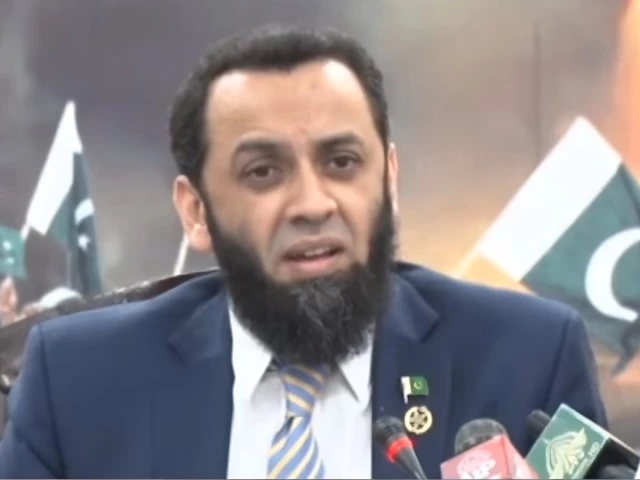
On May 13, 2026, during a significant discourse at the Institute of Strategic Studies in Islamabad, Information Minister Attaullah Tarar shed light on Pakistan’s response during the recent conflict known as Marka-e-Haq. It was not just a moment of military might; it represented a layered narrative that Pakistan carefully navigated across military, diplomatic, and informational fronts.
Tarar highlighted the impressive performance of the Pakistan Air Force (PAF), specifically noting the downing of a Rafale aircraft, which he stated significantly challenged Indian complacency and showcased Pakistan’s own technological advancements. This event wasn’t just about military superiority; it echoed a deep-rooted sentiment of resilience and national pride among Pakistanis.
In his speech, Tarar focused on the importance of peace, underscoring Pakistan’s commitment to addressing aggression with responsibility. “Pakistan believes in peace,” he asserted, maintaining that the nation aimed to protect civilian lives, unlike the recent violations that had targeted them. This approach reflects a broader principle of proportionality and restraint, which resonates well with today’s global populace who are increasingly weary of conflict.
As he delved deeper into the intricacies of the India-Pakistan relationship, Tarar pointed out the stark difference in narrative management. He accused India of shifting internal problems into external narratives, especially concerning the Kashmir issue. By doing so, he underlined the importance of transparency and accountability, themes which are crucial in conflict resolution.
An interesting dimension of his address was the mention of the Pahalgam incident—a tragic episode that connected to India’s swift blame directed toward Pakistan. Tarar emphasized Pakistan’s offer for a transparent investigation, highlighting the need for accountability and a fair resolution to such incidents.
The minister didn’t shy away from addressing the media’s role, praising both the Pakistani press and the youth for their responsible use of social media to channel accurate narratives and debunk misinformation. This cooperative spirit, where civilian and military leadership align, is a testament to a unified front that can bolster national morale.
Countless sacrifices have been made in the name of peace and stability, with Pakistan having faced significant financial and human costs in the ongoing fight against terrorism. Tarar poignantly remarked that these sacrifices are not solely for Pakistan but for global security. It’s a powerful reminder that the fight against terrorism knows no borders and requires collaboration at every level.
In reflecting on these themes, it’s clear that Pakistan’s experience during Marka-e-Haq is not only a story of conflict but also of resilience, diplomacy, and the importance of a coherent narrative in the face of challenges. It’s a critical juncture in understanding the broader dynamics at play in the region.
For anyone looking to explore these themes further or connect with those who share similar sentiments, Pro21st offers a platform for dialogue and exchange of ideas, contributing to a more nuanced understanding of such complex issues.
—
In this way, we can appreciate the resilience and determination that define Pakistan’s stance in the international arena. Through open discourse and unity, nations can pave the way toward a more peaceful future.