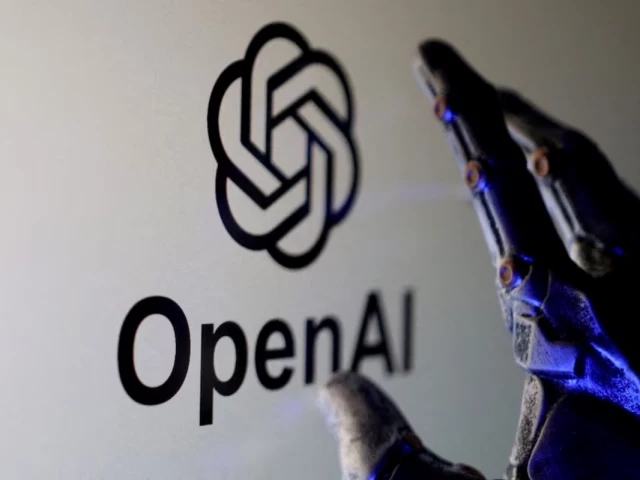

The Call for Global AI Governance: Why It Matters
In our rapidly evolving world, the development of advanced AI systems raises critical questions about safety and regulation. OpenAI recently made headlines by proposing a global governance body to oversee AI, suggesting that the U.S. should take the lead, with China as a key participant. This idea is significant for a few reasons, primarily because it reflects a collective shift towards international collaboration in managing the implications of AI technology.
As AI continues to advance, concerns grow about its potential risks — from safety failures to misuse by rogue actors. Both the U.S. and China are investing heavily in AI, each vying for technological dominance. In this context, the idea of a formalized governing structure aims to foster communication and cooperation, ensuring that these two major powers collaborate instead of competing in isolation. The goal is simple yet profound: to create a framework that reduces risks and enhances transparency in AI development.
The proposed governance body would tackle several essential areas. It could set safety benchmarks for AI models, facilitate information sharing about risks, and coordinate policies on high-stakes AI applications. By bringing major players to the table, it aims to mitigate the dangers that could arise from fragmented regulations, which might lead to significant global risks.
What makes this initiative timely is the growing recognition in the tech community that unilateral regulations won’t cut it. Recent discussions indicate that a unified approach to AI safety can prevent catastrophic incidents while still encouraging innovation. Think about it: why should the two largest AI ecosystems operate in silos when they can share insights and set shared safety standards?
Moreover, including China in this dialogue could reduce the likelihood of an AI arms race, a concern that looms large given current geopolitical tensions. Establishing communication channels on safety issues may be crucial during fraught periods. Just as global efforts have been made in nuclear safety and climate change, AI governance could follow suit, underscoring the necessity for international cooperation.
In conclusion, the proposal for a global AI governance body underscores an urgent need for collaboration in navigating the complexities of advanced technology. It’s a call to action for leaders and innovators alike to come together in shaping a safer future for AI. As we move forward in this exciting yet uncertain frontier, organizations like Pro21st are here to foster discussions and connections that drive meaningful change.