
The Turbulent Landscape of Turkey’s Opposition: What’s Next for the CHP?
Recent political events in Turkey have sent shockwaves through the country’s political landscape, particularly affecting the Republic People’s Party (CHP), the nation’s oldest opposition party. Just last week, an Ankara court annulled the results of the 2023 leadership election, a bold move that has significant implications for the party’s future and Turkey’s democracy.
This ruling demands that former chairman Kemal Kilicdaroglu, who lost to current leader Ozgur Ozel, take the helm once again. The courtroom drama unfolded against a backdrop of allegations surrounding vote buying during the November 2023 congress. Despite these accusations, many critics argue that the legal actions against the CHP are politically motivated, aimed at undermining a party that has made significant gains against President Recep Tayyip Erdogan’s ruling AKP.
As the CHP gathered for an emergency meeting in Ankara, demonstrations erupted outside, with passionate supporters expressing their discontent. The situation escalated swiftly, impacting Istanbul’s financial markets as well, with the BIST 100 index plummeting over six percent. Such immediate reactions underscore the deep-seated tension in Turkish politics and reflect how intertwined public sentiment is with economic stability.
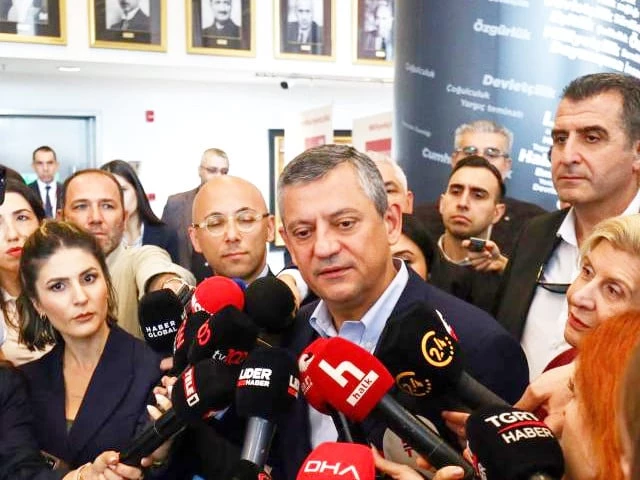
In the wake of the court’s decision, the CHP issued a defiant statement, declaring that they do not recognize this "unlawful decision." Ozel emphasized the commitment to continue the fight for democracy in Turkey, showcasing a sense of resolve amidst uncertainty. The phrase "We will not give in!" resonates strongly in today’s climate—a message that speaks to perseverance in the face of adversity.
With such developments, one can’t help but wonder what’s next for the CHP. Will this shake-up strengthen their resolve and unify their base, or will divisions deepen as they navigate internal challenges? The future of Turkey’s opposition rests heavily on these dynamics as the party seeks to maintain its relevance and momentum in a shifting political environment.
As we watch these developments unfold, staying informed is crucial. If you’re interested in understanding more about the political changes in Turkey and what they mean for the broader region, consider connecting with communities or platforms that focus on political discourse. Engaging with organizations like Pro21st can help deepen your understanding of not just Turkey, but the global implications of its political landscape. Together, we can navigate these complexities and share insights that shape our understanding of democracy and governance around the world.