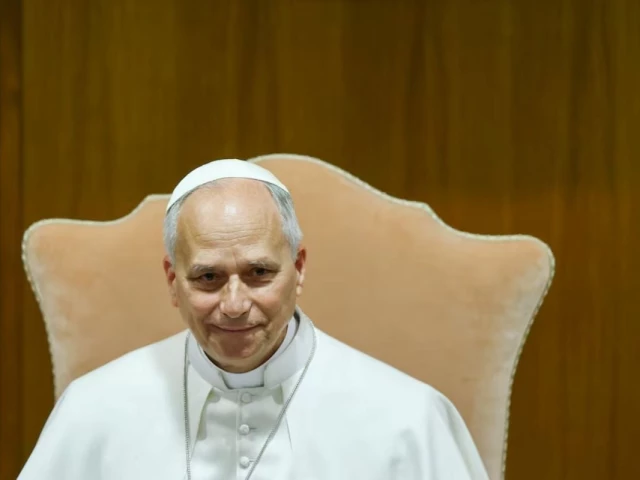

Pope Leo XIV’s Call for AI Regulation
In a significant announcement from the Vatican, Pope Leo XIV has addressed the complex relationship between humanity and artificial intelligence (AI) in his first major encyclical, “Magnifica Humanitas.” On May 25, 2026, he urged global leaders to reassess the rapid development of AI technologies, cautioning that some autonomous weapons may have advanced beyond human control.
The encyclical, a comprehensive 43,000-word document, calls for robust legal frameworks and independent oversight to ensure AI serves humanity rather than jeopardizing it. Pope Leo, the first US pope, highlights concerns about AI’s potential to spread misinformation, escalate conflicts, and perpetuate endless wars.
During the event, Chris Olah, co-founder of Anthropic, echoed the pope’s concerns about the pressures AI firms face. He noted that while companies aim for ethical practices, the competitive landscape often complicates these goals.
Challenging Traditional Conflict Theories
Pope Leo XIV challenges the traditional “just war” theory, stating that the rationale for conflict needs to evolve. He describes current global violence as “relational poverty,” adversely affecting innocent civilians, and calls for prioritizing dialogue and diplomacy over armed conflict.
His message also addresses the ethical implications of AI and “new forms of slavery,” particularly concerning laborers behind AI advancements. He draws parallels between past injustices, like transatlantic slavery, and today’s ethical challenges, urging society to reflect on its moral responsibilities.
Individual Responsibility and Collective Action
Pope Leo XIV’s encyclical emphasizes individual capacity for change, urging everyone to recognize their responsibility. His message encourages collective efforts to ensure technology enhances human experience rather than undermines it.
This pivotal moment in Church teachings invites global citizens to engage in conversations about AI’s ethical and social implications.
| Aspect | Concern | Proposed Action |
|---|---|---|
| AI in Warfare | Autonomous weapons beyond control | Implement robust legal frameworks |
| Ethical AI Use | Misinformation and conflict escalation | Independent oversight |
| Labor Ethics | New forms of slavery | Reflect on moral responsibilities |
What is the main message of Pope Leo XIV’s encyclical?
The encyclical emphasizes the need for AI regulation to ensure it serves humanity, highlighting concerns about autonomous weapons and ethical labor practices.
Why does Pope Leo XIV challenge the “just war” theory?
He believes the rationale for conflict needs to evolve, advocating for dialogue and diplomacy over armed conflict.
How does the encyclical address labor ethics?
It draws parallels between past injustices and current labor practices in AI development, urging reflection on moral responsibilities.