
Understanding the Significance of Xi’s Visit to North Korea
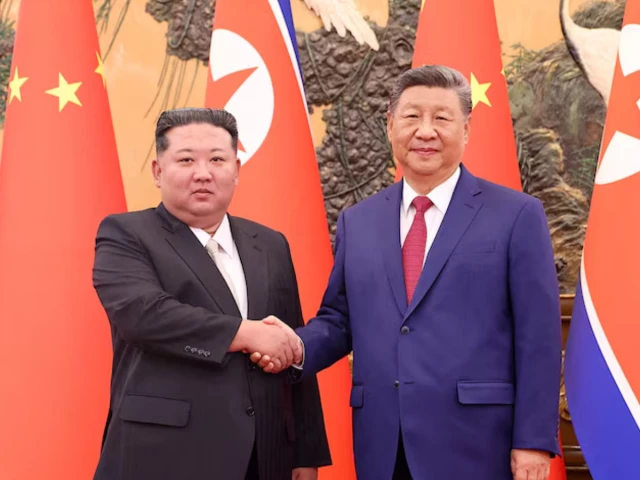
This week, all eyes are on North Korea as leader Kim Jong Un hosts Chinese President Xi Jinping for a much-anticipated summit. This visit marks Xi’s first trip to the isolated nation in seven years and comes at a time when Kim feels he has the upper hand, thanks to closer ties with Russia and a bolstered nuclear capability. It’s a far cry from their last meeting in 2019, following the breakdown of talks between Kim and former U.S. President Donald Trump.
The dynamics between these two leaders have shifted dramatically. Kim’s relationship with Russia has strengthened, particularly highlighted by his support for the Kremlin in the Ukraine conflict. This newfound military collaboration appears to have given North Korea a sense of renewed confidence, pushing them to proudly announce advancements in their naval capabilities, including plans for a 10,000-ton destroyer.
Economic Cooperation on the Table
Analysts suggest that the primary focus of this week’s meetings will revolve around economic cooperation. North Korea is eyeing a five-year development strategy aimed at revitalizing its economy, especially in tourism—a sector that was heavily reliant on Chinese visitors before the pandemic. With North Korea’s borders closed since early 2020, reopening is crucial for generating hard currency, making this subject a key agenda item.
Interestingly, North Korea is not only looking to reconnect with China but also weighing its relationships carefully. While Beijing remains a significant ally, the North seems cautious about over-reliance on China. This balance, bolstered by support from Russia, gives Kim some negotiating power.
The Nuclear Question
However, beneath these economic discussions lies a pressing issue: North Korea’s nuclear arsenal. Kim has made it clear that he will not abandon his nuclear ambitions, and his recent statements suggest he plans to expand this capability further. Analysts believe that as long as Kim maintains a level of stability in the region, China is likely to stay relatively passive regarding North Korea’s military developments.
Kim’s firm stance on his nuclear program will undoubtedly pose challenges to any talks involving denuclearization. Yet, foreign diplomats hope that this summit might pave the way for improved relations, not just with China, but potentially between the Koreas, as South Korean President Lee Jae Myung seeks Xi’s assistance in mediating.
Conclusion
In summary, this summit is not just a meeting of two leaders; it’s a potential turning point for regional dynamics in East Asia. From bolstering economic ties to navigating the complicated issue of nuclear capabilities, the outcomes could reshape the future of North Korea and its relationships with major powers in the region.
If you’re interested in more insights on international relations and global politics, feel free to explore more with us at Pro21st, where we dive deeper into these pressing issues.