
The Hidden Danger of Social Media: A Family’s Heartbreaking Journey
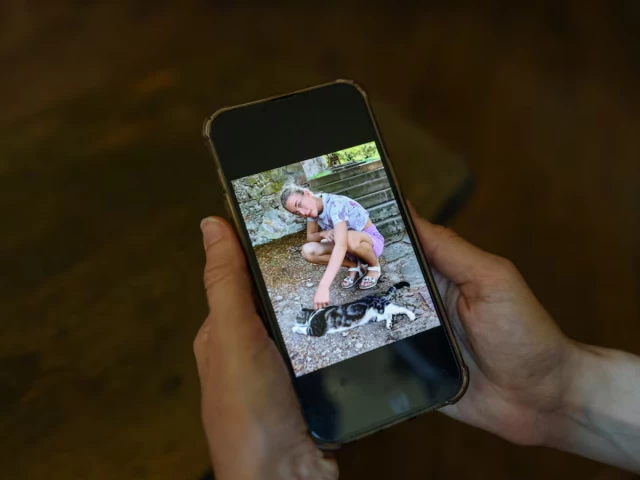
In today’s digital age, we often overlook the profound impact social media can have on our children’s mental health. A poignant example is the case of 12-year-old Rossella Roggero Ugues from Italy, whose tragic story serves as an alarming reminder of the risks lurking behind those glowing screens.
Rossella’s mother, Irene, noticed a drastic change in her daughter’s behavior over a few short months. The vibrant and sociable Rossella began to retreat into a world fueled by troubling social media content—content that promoted self-harm. It wasn’t until after Rossella’s devastating death in 2024 that Irene discovered her daughter’s secret Instagram account, ominously titled "Just a dead pers0n." This heartbreaking revelation highlighted the harsh reality of how algorithms can inadvertently trap vulnerable users in a cycle of despair.
Irene and her husband, like several other families in Italy, decided to take a stand against social media giants Meta and TikTok, filing a lawsuit focused on the dangers these platforms pose to children. They seek renewed accountability and stricter controls for minors navigating these digital landscapes. While both companies have publicly denied the claims, emphasizing their commitment to user safety, the conversation surrounding social media regulation is intensifying across Europe and beyond.
The algorithms designed to engage users often spiral into addiction-like behaviors, according to various studies. Such mechanisms keep users glued to their screens, triggering dopamine responses that ultimately can lead to negative mental health outcomes. It’s no wonder that parents feel overwhelmed trying to monitor their children’s online activity—many also report feeling ill-equipped to engage with the constantly evolving digital landscape their children inhabit.
Experts argue that while parental controls are crucial, they can’t replace open conversations about social media’s realities. As psychologist Federico Tonioni pointed out, fostering trust is essential. Young users need to feel they can share their online experiences without fear of judgment or punishment. Irene’s motives for joining the lawsuit stem from her desire to make other parents aware of these dangers, hoping to prevent another tragedy like her family’s.
For parents concerned about the online world their children inhabit, it’s essential to create an environment that encourages open dialogue. Discussing not just the fun aspects of social media but also the darker sides helps children make informed choices. Further, it may be beneficial for families to explore resources that highlight both positive and harmful content online.
If you’re looking to stay informed and engaged with discussions around digital safety and mental health, resources like Pro21st can be valuable. By fostering conversations and raising awareness, we can all contribute towards a safer online experience for our children. Let’s work together to create a healthier digital landscape where young minds can thrive.