
Saudi Arabia’s Nuclear Ambitions: What It Means for the Middle East
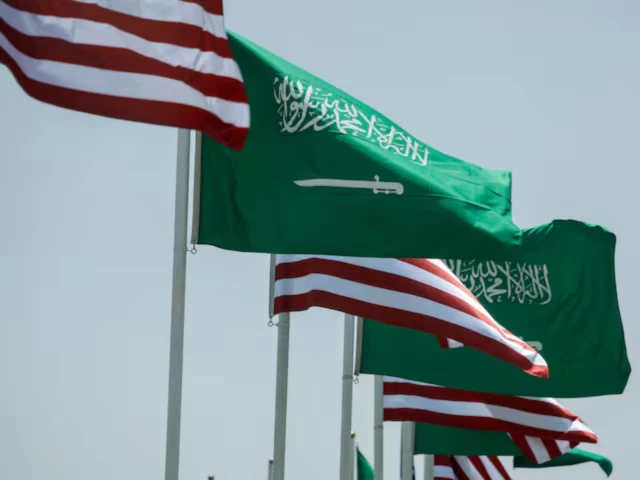
The recent agreement between the United States and Saudi Arabia to permit the Kingdom to build nuclear reactors using American technology has sparked a whirlwind of conversation, particularly when it comes to security concerns in the region. As flags of the U.S. and Saudi Arabia flutter along the highways of Riyadh, the implications of this deal are far-reaching and complex.
This deal, which aims to develop a civilian nuclear program in Saudi Arabia, is yet to receive Congressional approval. However, the notion of allowing Saudi Arabia to enrich uranium raises eyebrows, especially in Israel. Israeli officials, including former Prime Minister Naftali Bennett, have voiced their fears that this could ignite a regional arms race, potentially compromising Israel’s long-term security interests.
Israel, known for having the only nuclear arsenal in the region, is understandably apprehensive. Leading figures are suggesting that a Saudi nuclear program could lead to a splurge of military advancements from neighboring nations, pushing the region closer to a precarious situation. The concerns are not just about nuclear capabilities but also about the broader implications for regional stability.
This agreement isn’t a new development; discussions have been ongoing during both the Trump and Biden administrations. Previous hesitancies stemmed from warnings by nonproliferation advocates, who caution that such agreements could inadvertently pave the way for nuclear weapon development in nations with nuclear aspirations.
Interestingly, many in Israel had hopes that any nuclear deal would also coincide with a normalization agreement with Saudi Arabia. However, this strategic move seems to be standing alone for now. The idea of integrating civilian nuclear capabilities without a framework for building moderate regional alliances is causing unease among security experts.
On the U.S. side, the government views this partnership as a multi-billion-dollar opportunity that enhances commercial ties and advances energy cooperation. U.S. Energy Secretary Chris Wright emphasized that these agreements are built on high standards of nuclear safety, security, and nonproliferation, while also reinforcing America’s competitive edge in nuclear technology.
With the agreement set for review in Congress, it’s crucial for citizens and leaders alike to stay informed and engaged. The outcome could reshape the security landscape of the Middle East for years to come. Keeping track of these developments and understanding their potential impact on regional stability is essential.
For those looking to keep updated on such impactful international agreements and their local implications, consider connecting with Pro21st. They provide insights that could help you navigate the complexity of global politics and its effects on your world.