
Samsung’s $200 Billion Pact with Broadcom: A Game Changer for AI
In the world of artificial intelligence, the race to secure advanced computing infrastructure is heating up, and Samsung Electronics is making a significant move with its recent agreement with Broadcom. This $200 billion collaboration aims to strengthen chip supply and cater to the surging demand from US AI firms.
At a recent AI summit in San Francisco, South Korea’s President Lee Jae Myung revealed ambitious plans for a $950 billion investment strategy that involves not only Samsung but also other giants like SK Group and Nvidia. These initiatives highlight a booming global AI landscape, grappling with a shortage of faster chips essential for developing cutting-edge systems.
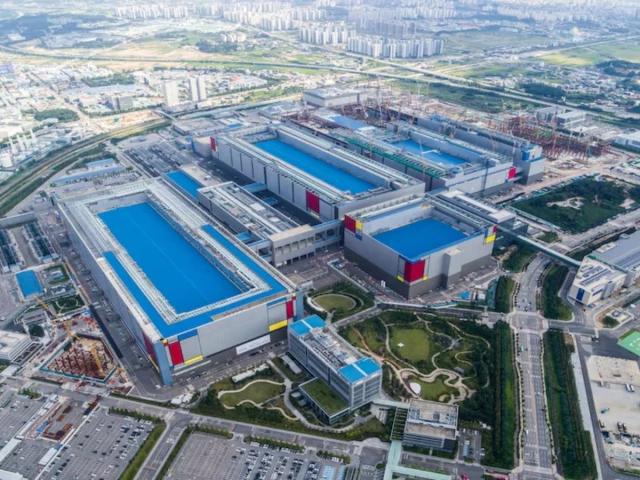
Samsung’s pact with Broadcom includes various facets such as memory chips, foundry services, and advanced packaging. This is crucial as tech companies aim to lock in chip supplies amid competition for computing resources. As President Lee noted, South Korea is stepping up as a leader in an evolving AI landscape, ready to partner with global tech firms to expand the market for both industrial and personal AI applications.
In particular, the joint venture with Nvidia—valued at over $500 billion—focuses on large-scale AI data centers and next-gen memory. This partnership aims to meet the skyrocketing demand for memory, as noted by SK Group Chairman Chey Tae-won. He expects that memory requirements from AI companies might actually exceed current forecasts, emphasizing the urgency for tech companies like Nvidia and OpenAI to secure reliable chip supply.
Additionally, discussions around building state-of-the-art data centers powered by Samsung’s high-bandwidth memory chips underline an exciting future. For instance, SK Telecom plans to launch a 2-gigawatt data center utilizing these advanced chips by 2027.
But what does all this mean for the average tech user? In simple terms, these developments represent a future where AI technologies become more accessible and efficient. As these companies ramp up their efforts, we could see enhancements in everything from personal devices to large-scale enterprise solutions.
As South Korea pours resources into creating a robust AI ecosystem, it’s clear that the region is poised to become a significant player in the global tech stage. If you’re curious about how these partnerships and initiatives could influence tech advancements and your personal tech landscape, stay tuned. For insights on this fast-evolving sector, feel free to connect with us at Pro21st, where we aim to keep you updated on the latest trends in AI and technology!