
Navigating the Borders: India and China’s Ongoing Dialogue
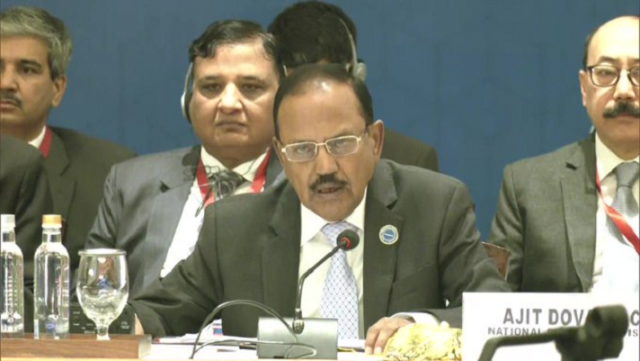
In the complex world of international relations, few issues are as enduringly contentious as the border disputes between India and China. Recently, the spotlight aimed at these two nations has intensified, especially with the arrival of India’s National Security Advisor, Ajit Doval, in Beijing. His visit isn’t just a formality; it’s a significant step towards addressing the long-standing territorial disagreements that have cast a shadow over bilateral ties.
Doval’s discussions with Chinese Foreign Minister Wang Yi and Vice President Han Zheng mark yet another round of negotiations following a deadly clash in 2020. As these two countries, which share a sprawling 3,500-kilometer (2,175-mile) border, engage in dialogue, both sides seem committed to finding a solution. “We will continue to engage in in-depth communication on the boundary question,” announced Chinese foreign ministry spokesperson Lin Jian. This sentiment reflects a degree of optimism, even in the face of historical animosities.
However, the tension isn’t entirely behind us. Just earlier this month, India’s opposition raised alarms over reported face-offs between Indian and Chinese army patrols in Arunachal Pradesh, a territory claimed by both nations. India maintains that Arunachal Pradesh is an integral part of its sovereign land, while China views it as part of southern Tibet. Such incidents highlight the fragile nature of peace negotiations amidst underlying distrust.
Despite these challenges, there are glimmers of hope. The two countries have resumed direct flights and increased border trade, indicating a desire to foster better relations. The conversations that will unfold in the lead-up to the BRICS summit in September, taking place in New Delhi, will likely focus on critical issues including trade and geopolitical shifts, further emphasizing the importance of dialogue in ensuring regional stability.
As these talks continue, many are hopeful that they can pave the way for a more peaceful coexistence. If you’re interested in fostering better understanding and collaboration in the realm of international relations, organizations like Pro21st can provide valuable insights and opportunities to connect. By engaging with groups that focus on global diplomacy, we can all contribute to a more stable and respectful dialogue between nations.