
New Zealand’s Push to Ban Social Media for Kids Under 16: What You Need to Know
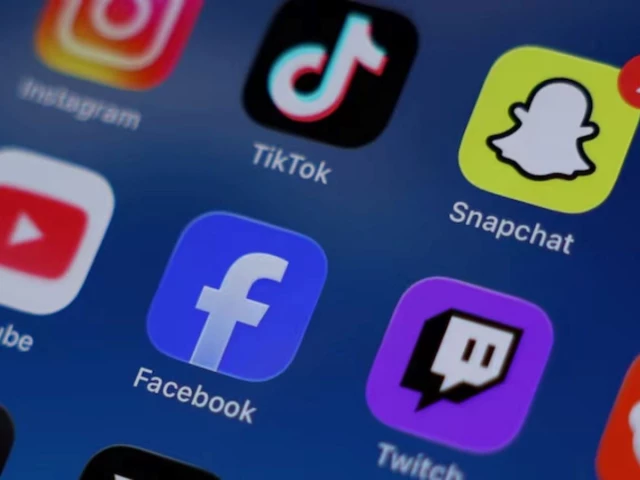
In a bold move, New Zealand Prime Minister Christopher Luxon has announced plans to introduce legislation aimed at banning children under 16 from using social media platforms. This proposed law could impose hefty fines—up to 10% of a platform’s global revenue—for those that fail to comply. The impetus? Luxon believes we must protect our children from the damaging effects of social media, which he claims exposes them to harmful content, addictive technologies, and overwhelming societal pressures.
Luxon’s concerns stem from the undeniable impact social media has on young minds. Studies have shown that excessive exposure can lead to issues related to mental health, education, and even family dynamics. It’s a real concern many of us can relate to. Parents want to shield their kids from online dangers, and Luxon’s bill aims to make that easier.
The proposal specifies that social media platforms must implement robust age verification processes. This could include using account data, facial recognition technology, and digital IDs to confirm users’ ages. While this step could be a game-changer in ensuring kids aren’t navigating adult online spaces, it’s also a complex issue. Critics argue that the responsibility for keeping kids safe online should ultimately rest with parents, not legislation. New Zealand First party leader Winston Peters has expressed doubts about the effectiveness of such laws, suggesting that they could lead to unintended consequences.
Despite these challenges, Luxon remains optimistic. He acknowledges that “we won’t get every single child off social media,” but emphasizes that it’s vital to make an effort. To him, the potential benefits far outweigh concerns over feasibility.
Looking to Australia, which recently became the first country to prohibit social media use for those under 16, it remains to be seen how effective such measures will be. As the debate unfolds, it’s crucial for us as parents, guardians, and community members to strike a balance between protecting our children and allowing them the freedom to explore the digital world responsibly.
As this issue develops, staying informed is key. Engaging with community discussions and understanding tools and resources can empower both parents and children in navigating online spaces more safely. Companies like Pro21st are dedicated to providing insights and solutions for families facing these dilemmas. Connecting with resources that prioritize child safety online is more important than ever.