
The Dark Side of Social Media: Child Recruitment by Armed Groups
In the digital age, social media platforms have become more influential than ever, impacting our daily lives in countless ways. But while we enjoy the connection and convenience they offer, it’s crucial to shine a light on some of the darker aspects. A recent report from Human Rights Watch (HRW) highlights a concerning trend: the use of social media by armed groups in Colombia to recruit children.
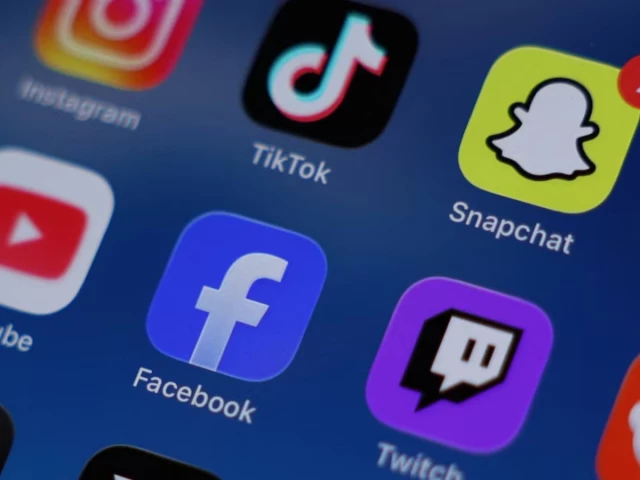
According to HRW, platforms like Facebook and TikTok have failed to curb the spread of harmful content promoting life within these armed groups. This content often glamorizes violence and provides false promises of wealth and adventure—deceptive “job offers” that lure vulnerable youth into dangerous situations. Since 2021, around 1,500 children have been recruited, with many of them being used for combat, weapon handling, and intelligence gathering. Alarmingly, it’s reported that some children are sent into battle without any training, merely serving as "cannon fodder."
The statistics are staggering: nearly half of child recruits are Indigenous, despite Indigenous peoples making up only about four percent of Colombia’s population. Additionally, girls account for nearly 40% of these recruits and face heightened risks of sexual violence.
One of the most compelling points raised by HRW is that social media platforms must recognize their role in facilitating these crimes. Juanita Goebertus, HRW’s Americas director, urged these companies to take action against their exploitation of children. Armed groups effectively use social media to sell a seductive lifestyle—a blend of "tough-guy masculinity" and the promise of easy money, as noted by Mathew Charles, founder of the Mi Historia foundation.
While companies like Meta and TikTok claim to be working on measures to combat this issue, the effectiveness of these responses remains in question. Both platforms have reportedly removed specific harmful content upon being notified, but this raises concerns about the ongoing presence of similar material.
Despite the 2016 peace agreement that ended decades of conflict with the Revolutionary Armed Forces of Colombia (FARC), armed groups still exert control over large areas in Colombia, posing a continuous threat to vulnerable children. Newly inaugurated President Abelardo de la Espriella aims to tackle these issues head-on, promising military alliances with countries like the United States and Israel.
As consumers of social media, it’s crucial to stay informed about these realities. Understanding the consequences of unchecked content can empower us to advocate for change and protect those who are most vulnerable. The next time you scroll through your feed, remember that there are deeper issues at play, and consider supporting organizations that work towards ending child recruitment and violence.
At Pro21st, we believe in fostering open conversations around such important topics, and we’d love to hear your thoughts. How do you think we can collectively tackle the issue of child recruitment through social media? Join the discussion and let’s work together towards a safer online environment.