
Domestic Extremism: A Growing Concern for Americans
A recent Reuters/Ipsos poll sheds light on an eye-opening shift in American perspectives regarding safety. While the September 11 attacks initially opened the floodgates to fears of foreign terrorism, a striking 61% of people now perceive domestic extremists as a greater threat. This marks a significant change from a decade ago, when only 21% of Americans felt that way.
When asked to identify the primary threat to their safety, 33% of respondents named "domestic terrorism." In comparison, 20% pointed to foreign terrorism, while 42% mentioned random acts of violence, such as mass shootings. It’s a stark contrast to 2013, when fears leaned more toward foreign threats.
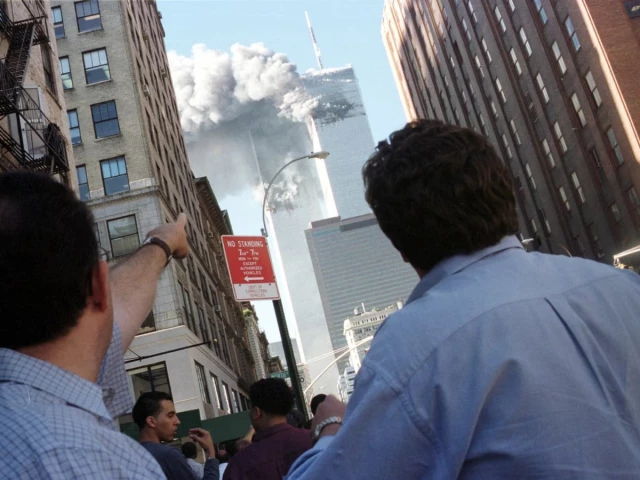
The tragic events of September 11, 2001, when al-Qaeda militants targeted the U.S. by crashing planes into the World Trade Center and the Pentagon, highlighted foreign terrorism’s immediate dangers. However, the U.S. has experienced several devastating domestic attacks since then. High-profile incidents, such as the 2016 mass shooting in Orlando and various attacks motivated by hatred against various communities, have shifted the conversation.
Interestingly, the poll not only highlighted growing fears but also indicated a strong sense of unity among Americans. A solid 60% of people still occasionally think about the September 11 attacks and support military responses to any new major threats. Yet, many feel that the lengthy wars that followed those attacks—especially in Afghanistan and Iraq—didn’t justify their human and financial costs.
As Americans navigate their complex feelings around safety, security measures, and their government’s role, the consensus seems to lean toward supporting increased security at airports and public venues. While 60% believe the post-9/11 government response has been somewhat effective, there’s considerable opposition to domestic surveillance tactics.
Ultimately, it’s essential to stay informed about these evolving perspectives on safety and security. At Pro21st, we believe understanding these shifts matters. By fostering discussions around domestic extremism and security, we can engage with our communities more meaningfully and work toward a safer future.