
Yara Sluiskil: A Groundbreaking Step in Carbon Capture Technology
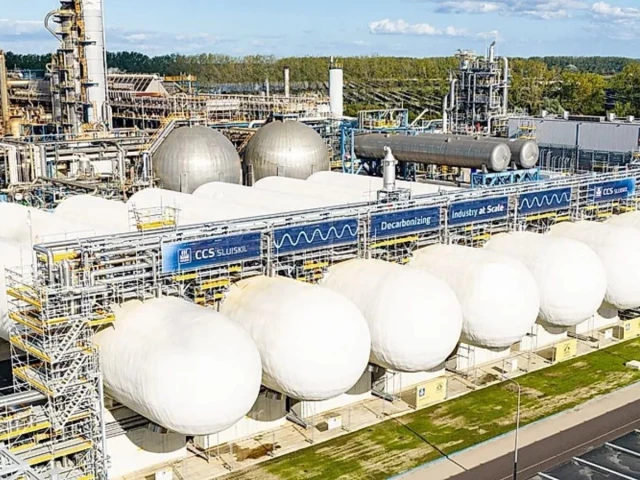
In the heart of Zeeland, the Netherlands, a significant milestone in the fight against climate change has been achieved with the opening of Europe’s largest carbon capture facility. Developed by Yara International, this ambitious project aims to make a substantial impact by capturing up to 800,000 metric tons of CO2 each year starting in 2026. This means that over the next 15 years, Yara anticipates removing a remarkable 12 million tons of CO2 from its operations.
But what exactly does this mean for our environment? Well, this facility not only reduces emissions at one of Europe’s largest fertilizer production sites, but it also takes the captured carbon and securely stores it 2.6 kilometers beneath Norway’s seabed. This innovative approach signifies a dual effort: mitigating the harmful effects of industrial emissions and exploring new ways to combat climate change.
Norwegian Prime Minister Jonas Gahr Støre emphasized the importance of such projects, stating that the combination of industry, modern energy solutions, and technology is key to overcoming climate challenges. It’s a clear indication that innovation can lead to commercial viability, making carbon capture a vital component of the European Union’s strategy toward achieving net-zero emissions by 2050.
However, carbon capture and storage (CCS) technology is not without controversy. Critics argue that while it offers a way to tackle emissions, it could also allow businesses to persist with fossil fuel production under the guise of future carbon capture efforts. This dual narrative makes it essential for stakeholders to navigate the conversation around CCS responsibly, ensuring an honest commitment to lowering carbon footprints.
As we reflect on Yara’s ambitious project, it’s clear that initiatives like these are crucial for industries that currently have limited low-carbon alternatives. By setting a precedent in sustainable practices, Yara is not just helping their own operations but paving the way for others to follow suit.
If you’re interested in how innovations like this are reshaping our approach to climate change and sustainability, consider connecting with resources that explore these developments further—Pro21st is a great place to start! Together, we can engage in meaningful discussions on reducing our global carbon footprint and ensuring a greener future.