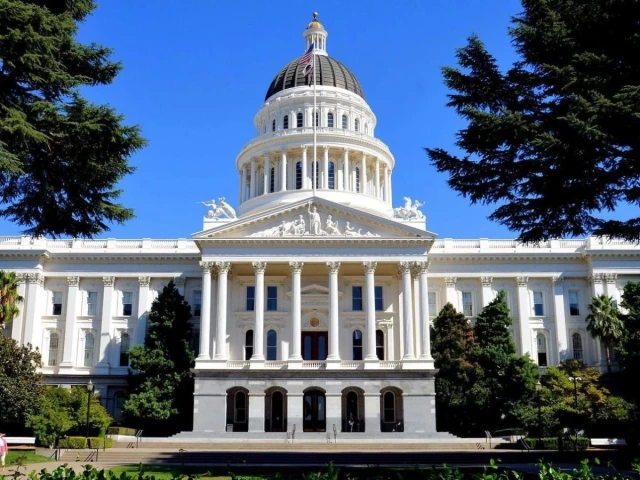

California Welcomes Eid Holidays: A Step Toward Inclusivity
In a significant move toward inclusivity, California Governor Gavin Newsom recently signed into law Bill AB 2017, recognizing Eidul Fitr and Eidul Azha as official holidays in the state. This groundbreaking legislation empowers workers to use their existing paid leave to observe these important Islamic festivities, marking a win for over a million Muslims living in California.
The journey of AB 2017 began earlier this year when it was introduced by Assembly member Matt Haney, following collaboration with various Muslim communities and organizations. This was a collective effort to ensure that individuals practicing Islam can celebrate their holidays without the stress of choosing between their faith and their job or education.
So, what does this mean for Californians? For one, schools and public workplaces are now better equipped to support their Muslim employees and students in honoring these central religious occasions. The bill not only allows state and school employees to observe Eid using their personal holiday credit but also enables K-12 schools and community colleges to close for Eid through local agreements.
The California chapter of the Council on American-Islamic Relations (CAIR-CA) has hailed the passage of this legislation as a historic moment for the state’s Muslim community. They emphasized that many individuals often face a difficult choice between their religious obligations and professional or academic responsibilities. Recognizing these holidays signifies that California values its diverse population and is committed to creating a more inclusive society.
Eidul Fitr, which celebrates the end of Ramadan, and Eidul Azha, commemorating the willingness of Ibrahim (Abraham) to sacrifice for God, are celebrated with great joy and community spirit around the world. Now, California’s recognition of these holidays sends a powerful message that inclusivity matters, especially during challenging times when hostility against various communities is growing.
The passage of AB 2017 signals a hopeful change and a step toward ensuring that everyone can practice their faith without barriers. For those interested in learning more about community initiatives that promote diversity and support marginalized voices, consider connecting with organizations like Pro21st, which aim to foster dialogue and inclusiveness for all. Together, we can strive for a society where everyone feels valued and respected.